

How Spinal Cord Injury Victims in San Bernardino Can Say No to a C&R Offer
Key Takeaways: Yes, a San Bernardino worker with a spinal cord injury can generally reject a Compromise and Release (C&R) offer, and turning it down does not end the workers’ compensation claim. A C&R usually trades future medical care for a lump sum, which can be risky for someone facing paralysis and lifelong treatment. California law offers other options, such as a Stipulated Findings and Award that often keeps future medical care open, or a commutation of the award. The WCAB must also approve any C&R and decide whether it is adequate. Under Labor Code § 4660.1(c)(2)(B), paralysis counts as a catastrophic injury, so related psychiatric harm may raise the permanent disability rating, and an early offer may leave that out. An approved C&R is hard to undo, so get your medical reports, future care estimates, and legal advice before signing anything.
Yes. A San Bernardino worker with a spinal cord injury can generally reject a Compromise and Release (C&R) offer, and that refusal does not end the claim. A C&R is one way to resolve a California workers’ compensation case, not the only way. When a spinal cord injury means paralysis, lifelong medical care, and a lost career, a lump-sum offer that closes future medical care may fall far short of the injury’s real cost. California law gives injured workers other options and requires a workers’ compensation judge to approve a C&R before it takes effect.
At Kampf, Schiavone & Associates, we represent workers whose lives have been changed by catastrophic spinal injuries. If an insurer has offered you a C&R and you feel pressured or unsure, you do not have to decide alone. Call us at (909) 885-1522 or contact us now for a confidential review of your settlement offer.
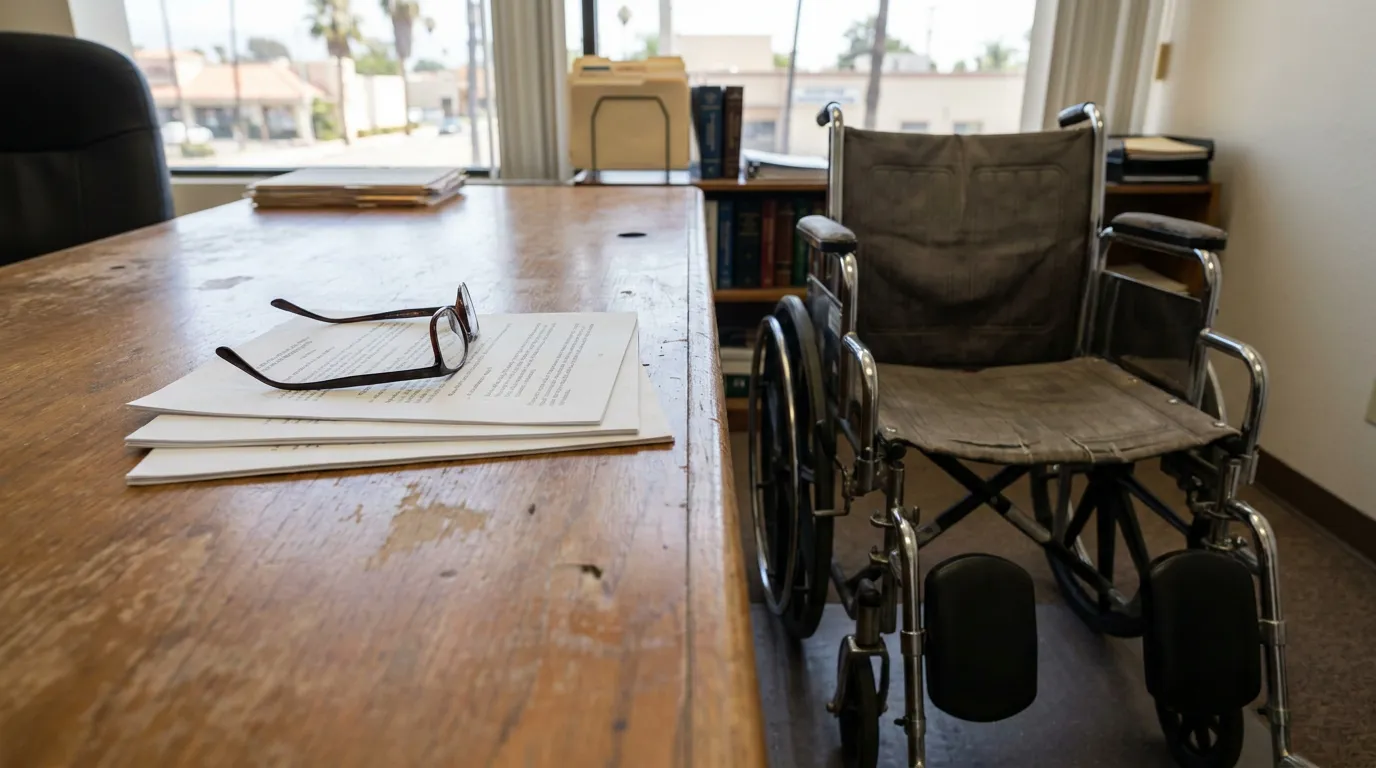
What a Compromise and Release Settlement in California Actually Does
A compromise and release settlement in California generally resolves a workers’ compensation claim in exchange for a lump-sum payment. In most cases that payment includes the right to future medical treatment, so the worker takes responsibility for later care. For a minor injury, that may carry little risk. For a spinal cord injury, the stakes are much higher.
A C&R is a formal settlement supervised by the Workers’ Compensation Appeals Board (WCAB), not a private deal that becomes final when signed. Under Labor Code § 5001, a C&R is not valid unless the WCAB approves it. Under Labor Code § 4061(h)(2), the WCAB must first decide whether the agreement is in the employee’s best interests, and must check whether proper procedures were followed in determining the permanent disability rating. That review can serve as an independent check on an offer that undervalues a serious claim.
Hearing and Notice Requirements
C&R agreements are typically reviewed by a workers’ compensation judge, and some situations trigger extra notice rules. Under Labor Code § 3761(b)(1), if the employer has told its insurer in writing that it believes nothing is owed, the WCAB may approve a C&R only if the insurer serves the employer with notice of the hearing at least 15 days beforehand. Under Labor Code § 3761(b)(2), the WCAB can still approve the deal if notice is not given, but must order the insurer to pay reasonable expenses under Labor Code § 5813.
Why Spinal Cord Injuries Change the Settlement Calculation
Spinal cord injuries are among the most expensive and permanent injuries a worker can suffer. According to spinal cord injury statistics reported by Becker’s Spine Review, lifetime costs can reach into the millions of dollars, depending on severity and injury level. Motor vehicle accidents and falls are among the leading causes, which matters in the Inland Empire, where many workers drive for a living or work at height.
The difference between a complete and an incomplete spinal cord injury can make future needs hard to predict. An incomplete injury may allow some recovery, while a complete injury usually means permanent loss below the injury level. That uncertainty is why a fixed lump sum can be risky. If complications, surgeries, or home modifications arise years later, a worker who signed a C&R closing future medical care generally cannot reopen the claim.
💡 Pro Tip: Before evaluating any offer, ask your treating physician for a written estimate of your expected future care, such as attendant care, durable medical equipment, and likely revision surgeries.
Your Legal Right to Reject a C&R Offer
California law gives injured workers more than one way to resolve a claim, so rejecting a C&R offer remains a real option. Labor Code § 4061(h)(2) lists three paths:
- Stipulated Findings and Award under Labor Code § 5702, which in many cases keeps future medical care open
- Compromise and Release under Labor Code § 5000 and the sections that follow
- Commutation of the award under Labor Code § 5100 and the sections that follow
A worker may also decline to settle and have a judge decide disputed issues at trial.
Benefits generally do not depend on your accepting a C&R. Under Labor Code § 4061(h)(1), if a comprehensive medical evaluation from a treating doctor, agreed medical evaluator (AME), or panel qualified medical evaluator (QME) finds permanent disability, the employer must begin paying or promptly start proceedings before the WCAB. An insurer generally cannot hold benefits hostage until you sign.
Comparing Your Settlement Options
| Option | Future Medical Care | Payment Structure | Key Consideration |
|---|---|---|---|
| Stipulated Findings and Award (§ 5702) | Generally remains open | Permanent disability paid over time | Often favored when lifelong care is likely |
| Compromise and Release (§ 5000 et seq.) | Usually closed | Lump sum | WCAB must find it adequate before approval |
| Commutation (§ 5100 et seq.) | Depends on the award | Award converted to a lump sum, in whole or in part | Requires WCAB approval |
Your Right to Information Before You Decide
The law is designed to help injured workers make an informed choice. Under Labor Code § 4061(h)(2), when the Disability Evaluation Unit serves a summary rating on an unrepresented employee, the Administrative Director’s form must accompany it. That form explains each option, its possible advantages and disadvantages, and how to dispute the rating. If you never received it, that may be an important issue to raise.
How Permanent Disability Ratings Affect the Value of Your Claim
Your permanent disability rating is one of the most important factors in deciding whether a C&R offer is fair. For injuries on or after January 1, 2013, Labor Code § 4660.1(a) and (b) provide that ratings consider the nature of the physical injury, the worker’s occupation, and age at the time of injury. Impairment is measured using the AMA Guides (5th Edition), and the whole person impairment is generally multiplied by an adjustment factor of 1.4. Knowing your expected rating lets you compare a C&R offer with what an award might pay.
The Catastrophic Injury Exception for Psychiatric Harm
Paralysis is expressly named as a catastrophic injury under California law, and that can raise the value of your claim. Generally, Labor Code § 4660.1(c) bars an increased impairment rating for sleep dysfunction, sexual dysfunction, or psychiatric disorders arising out of a compensable physical injury. However, Labor Code § 4660.1(c)(2)(B) lifts that bar for psychiatric injury resulting from a catastrophic injury, including paralysis, loss of a limb, severe burns, or severe head injury. Depression, anxiety, and trauma often follow a life-altering spinal injury, and an early C&R offer that ignores them may undervalue the case.
💡 Pro Tip: If you are struggling emotionally after your injury, tell your treating doctor and make sure it is documented.
Common Pressure Tactics and How to Respond
Insurers sometimes present C&R offers early, before the full extent of a spinal injury is known. Workers facing mounting bills and lost wages may feel a lump sum is the only way to stay afloat. That pressure is understandable, but a rushed decision can be permanent. Once the WCAB approves a C&R, setting it aside is generally difficult and limited to narrow circumstances, such as fraud, duress, mutual mistake, or lack of capacity.
There are practical steps that may protect you before you respond to any offer:
- Do not sign a C&R until you understand your permanent disability rating and expected future medical costs.
- Request copies of all QME, AME, and treating physician reports.
- Ask whether a Stipulated Findings and Award would better protect your future care.
- Keep records of every communication with the insurer.
For a closer look at protecting ongoing treatment, read our guide on whether San Bernardino workers can settle a spinal injury claim for future medical care. The right choice depends on your prognosis, age, work history, and long-term needs.
Why Experienced Advocacy Matters in Catastrophic Spinal Cases
Spinal cord injury claims are often not routine workers’ comp cases. They often involve disputed ratings, competing medical opinions, psychiatric components, and lifetime care projections. A seasoned compromise and release settlement California lawyer can evaluate whether an offer reflects your real losses, challenge flawed QME findings, and push for an award that keeps your medical care open when that serves your interests. No attorney can guarantee a result.
Frequently Asked Questions
1. Will I lose my benefits if I reject a C&R offer?
Generally, no. Under Labor Code § 4061(h)(1), if a medical evaluation finds permanent disability, the employer must begin paying or promptly bring the dispute to the WCAB. Rejecting an offer does not by itself end your claim.
2. Can a judge refuse to approve a C&R?
Yes. Under Labor Code §§ 5001 and 4061(h)(2), the WCAB must approve a C&R and decide whether it is in the employee’s best interests and whether rating procedures were followed. If it fails that review, the WCAB may decline to approve it.
3. What is the alternative to a compromise and release settlement in California?
The main alternative is a Stipulated Findings and Award under Labor Code § 5702, which in many cases keeps future medical care open. Commutation under Labor Code § 5100 is another possibility, as is trial.
4. Does paralysis increase the value of my claim?
It may. Paralysis is named as a catastrophic injury under Labor Code § 4660.1(c)(2)(B), which can allow an increased rating for psychiatric injury that would otherwise be barred. This depends on the medical evidence in your case.
5. Can I undo a C&R after the WCAB approves it?
Undoing an approved C&R is generally difficult and limited to narrow circumstances, such as fraud, duress, or mistake. Speak with counsel before the hearing, not after.
Protecting Your Future After a Spinal Cord Injury
A San Bernardino spinal cord injury victim generally has the right to reject a C&R offer and pursue another path under California law. The WCAB must review C&R agreements for adequacy, the law provides alternatives such as a Stipulated Findings and Award, and catastrophic injury rules may increase what your claim is worth.
If you are facing a settlement offer after a devastating spinal injury, act before you sign. The team at Kampf, Schiavone & Associates is ready to review your offer and help you weigh your options. Call (909) 885-1522 today or schedule your free consultation to protect your future care and financial recovery.
Disclaimer: This content is for informational purposes only and is not legal advice. Every case is unique, and results may vary. Consult an attorney about your specific circumstances.