

When a Workplace Accident Takes a Life: Paying for the Funeral in California
Key Takeaways: Yes, California workers’ compensation generally pays reasonable funeral and burial costs when a worker dies from a job-related injury. Labor Code § 4701 caps this benefit at $10,000 for injuries on or after January 1, 2013. The burial allowance is paid on top of the dependency death benefit under Labor Code § 4702, usually paid in installments at the temporary total disability rate, with a $224 weekly minimum. If the worker left no total or partial dependents, Labor Code § 4702(a)(6)(B) provides for a $250,000 benefit for injuries on or after January 1, 2004, though California courts have held this amount is paid to the Department of Industrial Relations’ Death Without Dependents Unit rather than to the worker’s estate. If no one is entitled to a dependency death benefit and no estate benefit is paid, the employer generally must pay the Department of Industrial Relations instead. A dependent found later may still be able to claim the benefit. Insurers often dispute whether the death was work-related, whether a family member was dependent, and whether funeral charges were reasonable. Keeping itemized records and working with an experienced attorney can help families pursue the full benefits California law may provide.
Yes, California workers’ compensation generally pays funeral and burial costs when a worker dies from a job-related injury or illness. Under Labor Code § 4701, the employer or its insurer must cover reasonable burial expenses up to a cap set by law. This payment is separate from the dependency death benefit that may be owed to surviving family members under Labor Code § 4702. For families in San Bernardino and across the Inland Empire, knowing how these benefits work can ease some of the financial strain after a fatal work injury. But the rules include caps, exceptions, and deadlines, and insurers do not always pay what families are owed without a fight.
If you lost a loved one in a construction fall, warehouse accident, or other serious workplace incident, you do not have to face the insurance company alone. The legal team at Kampf, Schiavone & Associates has extensive experience helping families pursue the full benefits California law provides after a loss like this. Call (909) 885-1522 or contact us now to talk with our team about your family’s situation.
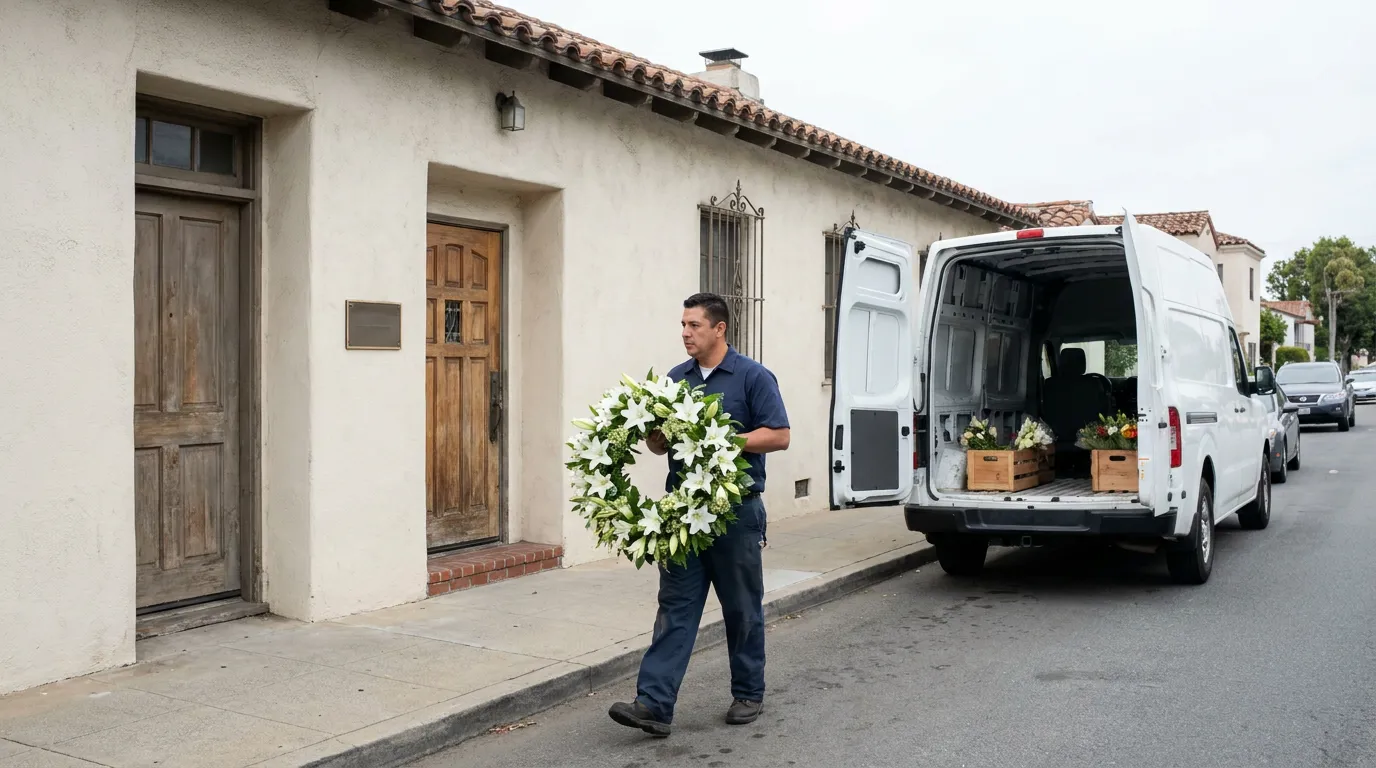
How Burial Expense Benefits Work Under Labor Code 4701
California treats burial costs as a separate benefit within the workers’ compensation system. The burial benefit is a fixed allowance set by law, paid in addition to any death benefits owed to dependents.
What the Burial Allowance Covers
The law pays the reasonable costs of the employee’s burial, up to a dollar cap set by the Legislature. For injuries on or after January 1, 2013, Labor Code § 4701 caps the California burial benefit at $10,000. Lower caps apply to earlier injury dates. Reasonable costs may include funeral home services, a casket or cremation, a burial plot, and related costs, though insurers may dispute whether certain charges are "reasonable." You can read the full text of the California death benefit statutes to see how these payments are structured.
How the Cap Has Changed Over Time
The Legislature has raised the burial expense cap over the years, and new proposals related to workers’ compensation keep coming up. For example, Assembly Bill 206 from the 2017-2018 session proposed changes to Labor Code §§ 3351 and 3352 regarding the definition of "employee" for workers’ compensation purposes, but a proposed bill does not change the law unless it passes. Because the burial benefit amount depends on the date of injury, families should confirm which version of the law applies to their claim.
💡 Pro Tip: Keep every funeral home invoice, cemetery contract, and receipt in one folder. Itemized records make it harder for an insurer to argue that certain charges were unreasonable.
Understanding Workers Compensation Death Benefits California Families May Receive
Burial costs are only one part of what a grieving family may be entitled to recover. The California Department of Insurance workers’ comp guide lists death benefits as one of the core types of benefits under state law, along with medical care and disability payments. Workers compensation death benefits California law provides to dependents are governed mainly by Labor Code § 4702. The amount depends on the number of total and partial dependents and the date of injury.
How Dependency Death Benefits Are Paid
Death benefits are usually paid in installments rather than one lump sum. Under Labor Code § 4702(b), a death benefit is generally paid in the same way and amounts as the temporary total disability payments the worker would have received, unless the Workers’ Compensation Appeals Board orders otherwise. No weekly payment may be less than $224. Under Labor Code § 4703.5, payments to dependent minor children may continue past the total benefit amount until the youngest child turns 18.
When the Worker Left No Dependents
California law generally still provides a death benefit when a worker leaves no total or partial dependents. Labor Code § 4702(a)(6)(B) states that, for injuries on or after January 1, 2004, $250,000 is payable when there are no total or partial dependents. However, California courts (Six Flags, Inc. v. WCAB, 2006) have held that paying this benefit to the worker’s estate is unconstitutional, so in practice this $250,000 is instead paid to the Department of Industrial Relations’ Death Without Dependents Unit under Labor Code § 4706.5. A separate rule, Labor Code § 4702(a)(6)(A), set out the same benefit amount for peace officers with no dependents who were injured from January 1, 2003, to before January 1, 2004. This benefit may matter most to families who were not dependents but who handle the funeral and estate.
| Situation | Governing Statute | Benefit |
|---|---|---|
| Reasonable burial expenses | Labor Code § 4701 | Paid up to a cap set by law, separate from death benefits |
| Surviving total or partial dependents | Labor Code § 4702 | Installment payments, minimum $224 per week |
| No dependents (injury on or after Jan. 1, 2004) | Labor Code § 4702(a)(6)(B) | $250,000, paid to the Department of Industrial Relations’ Death Without Dependents Unit rather than the worker’s estate |
| No one entitled to dependency benefit | Labor Code § 4706.5(a) | Employer pays the Department of Industrial Relations |
What Happens When No Dependent Is Found Right Away
Employers may still owe money after a fatal work injury even when no one at first qualifies for a dependency death benefit. Under Labor Code § 4706.5(a), if no one is entitled to a dependency death benefit, the employer must pay the Department of Industrial Relations an amount equal to the total dependency death benefit a surviving spouse with no dependent minor children would receive. Labor Code § 4706.5(f) also requires employers or insurers to notify the administrative director of each employee death, unless the employer knows the worker left a surviving dependent.
Families who were missed at first may still come forward. Under Labor Code § 4706.5(g), if the appeals board later finds that a dependent exists, the state returns the payments to the employer or its insurer, and the dependent may pursue the death benefit. Labor Code § 4706.5(h) adds that this rule does not apply when the $250,000 estate benefit under Labor Code § 4702(a)(6) is paid.
Common Challenges Families Face After a Fatal Workplace Accident
Insurers often look closely at fatal claims because so much money is at stake. Families often run into problems such as:
- Disputes over whether the death was truly work-related, especially when a worker died days or weeks after the injury
- Arguments that a family member did not depend on the worker financially
- Challenges to whether certain funeral charges count as reasonable burial expenses
- Payment delays while the insurer "investigates" the claim
- Confusion about which date-of-injury rules set the benefit amounts
Each of these issues depends on the facts, and the outcome may turn on medical records, payroll history, and witness accounts. Strict deadlines also apply. Under Labor Code § 5406, a death claim generally must be filed within one year of the date of death. Claims also face outer limits measured from the date of injury. You can learn more about the types of workplace injury benefits California law provides to see how death benefits fit within the broader system.
💡 Pro Tip: If your loved one lived for a time after the accident, gather the hospital and treatment records from that period. Those records often become key evidence linking the death to the workplace injury.
Why Severity Matters in a San Bernardino Workers’ Comp Death Case
A fatal workplace accident is the most serious claim the workers’ compensation system handles, and it calls for careful, thorough advocacy. The family may need to prove the death was work-related, show who was dependent, and establish the full amount owed. Working with a workers compensation death benefits California lawyer can help make sure evidence is preserved and deadlines are met while the family grieves.
Workers’ compensation claims are handled separately from civil lawsuits. Workers’ compensation is generally the only remedy against the employer, with limited exceptions. In some cases, a third party, such as an equipment maker or a separate contractor, may also be responsible, which could support a separate wrongful death claim with its own deadlines.
Frequently Asked Questions
1. Does workers’ comp pay for funeral costs in California?
Generally, yes. Labor Code § 4701 pays reasonable burial expenses up to a cap set by law. The cap is $10,000 for injuries on or after January 1, 2013, and lower for earlier injury dates.
2. Is the burial benefit separate from the death benefit?
Yes. Burial expenses under Labor Code § 4701 are paid in addition to the dependency death benefit under Labor Code § 4702.
3. What if my loved one had no dependents?
For injuries on or after January 1, 2004, Labor Code § 4702(a)(6)(B) provides for a $250,000 benefit when there are no total or partial dependents, though California courts have held this amount is paid to the Department of Industrial Relations’ Death Without Dependents Unit rather than to the worker’s estate.
4. Are death benefits paid all at once?
Usually not. Under Labor Code § 4702(b), death benefits are generally paid in installments at the temporary total disability rate, with a $224 weekly minimum, unless the appeals board orders otherwise.
5. Can a dependent come forward after the employer has paid the state?
In many cases, yes. Under Labor Code § 4706.5(g), if the appeals board later finds a qualifying dependent, the state returns the payments to the employer or insurer, and the dependent may be able to claim the death benefit, subject to filing deadlines.
Protecting Your Family’s Future After a Loss
California law may provide real support for families after a fatal work injury, including burial costs, dependency death benefits, and an estate benefit when no dependents survive. These benefits come with caps, exceptions, and filing rules, and insurers may dispute whether the death was work-related, who was dependent, or whether funeral charges were reasonable.
Your family should not have to fight an insurance company while mourning someone you love. Inland Empire families facing serious workplace losses trust the attorneys at Kampf, Schiavone & Associates. Call (909) 885-1522 today or schedule a confidential consultation so we can help you pursue every benefit available under California law.
Disclaimer: This content is for informational purposes only and is not legal advice. Every case is unique, and results may vary. Consult an attorney about your specific circumstances.