

When a Routine Day on the Job Turns Catastrophic
Key Takeaways: Falls remained the deadliest hazard in construction in 2024, causing nearly 400 worker deaths and leaving survivors with spinal damage, traumatic brain injuries, and years of medical care. California’s no-fault workers’ compensation system provides benefits regardless of fault, including medical treatment, disability payments, and death benefits. Injured workers often face obstacles such as misclassification as independent contractors and disputes over injury severity, though California law offers protections like the Subsequent Injuries Benefits Trust Fund. Deadlines matter, personal injury and wrongful death lawsuits generally must be filed within two years.
A single misstep on scaffolding, a ladder that shifts, or an unguarded roof edge can change a construction worker’s life in seconds. In 2024, falls remained the deadliest hazard in construction, causing nearly 400 worker deaths. Behind that number are families in San Bernardino and the Inland Empire who lost a provider, and injured workers now facing spinal damage, traumatic brain injuries, and years of medical care.
If you or someone you love suffered a devastating fall on a job site, you should not navigate the claims process alone. The team at Kampf, Schiavone & Associates focuses on serious, life-altering injuries. Call us today at (909) 885-1522 or reach out through our contact page to discuss your options.
Why Falls Remain the Deadliest Threat on Construction Sites
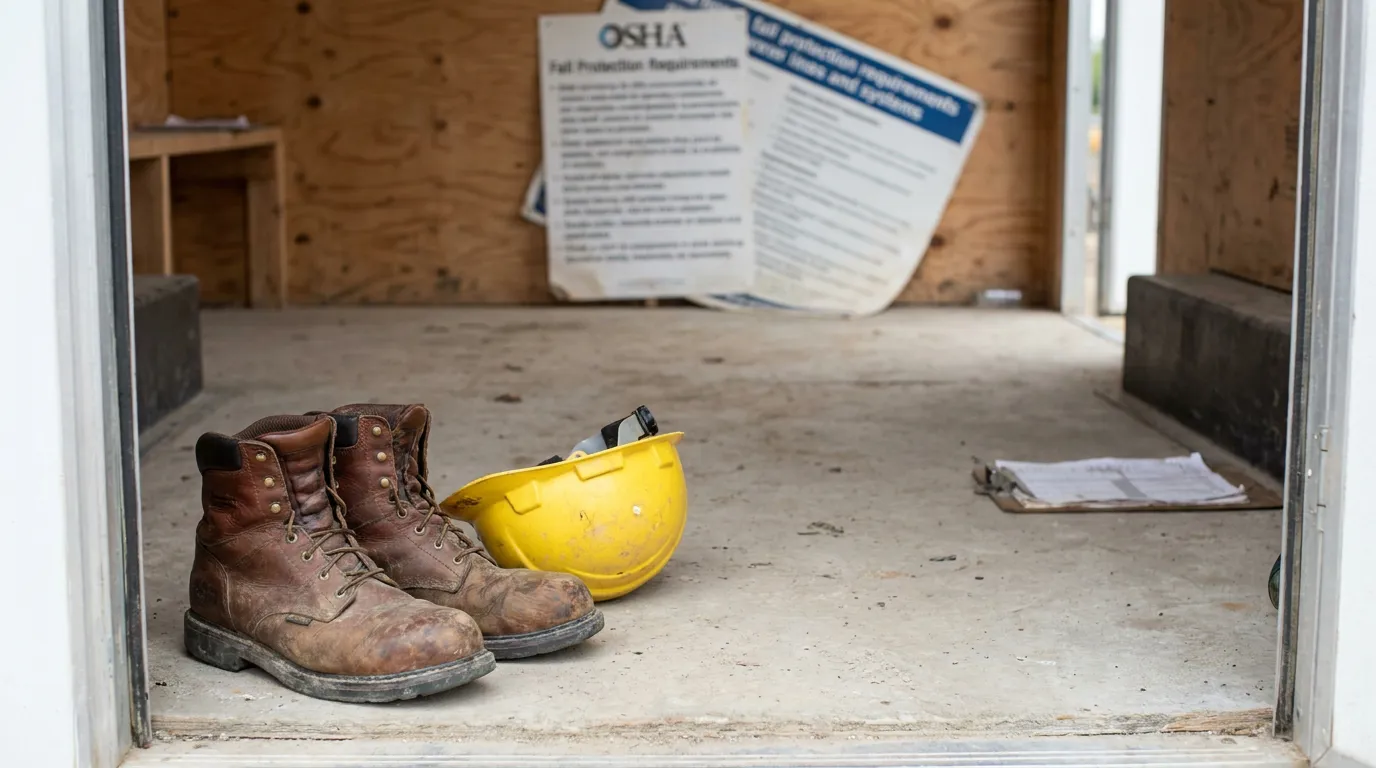
Falls from heights dominate construction fatality statistics because the work puts people in dangerous positions daily. Scaffolds, ladders, roofs, and elevated platforms create opportunities for catastrophic injury when fall protection fails or is missing. California addresses this through state construction fall protection rules, which govern when guardrails, personal fall arrest systems, and other safeguards are required.
The human cost is staggering, especially when head trauma is involved. Falls are among the leading causes of traumatic brain injury, which can result from vehicle crashes, athletics, and assaults. On a construction site, even a modest-height fall can produce life-changing brain injury.
Brain injuries are frighteningly common. According to the Centers for Disease Control and Prevention, roughly 2.8 million people sustain a traumatic brain injury (TBI) each year in the United States. Approximately 214,110 people with TBI were hospitalized in 2020, and more than 69,000 people died from TBI-related causes in 2021.
💡 Pro Tip: After any fall involving even brief loss of consciousness, insist on prompt medical evaluation and imaging. Early documentation creates a critical medical record if symptoms worsen.
Understanding Construction Accident Workers Comp California Benefits
California’s no-fault workers’ compensation system provides benefits to injured construction workers regardless of who caused the accident. Benefits typically include medical treatment, temporary and permanent disability payments, and death benefits for surviving dependents without requiring proof of employer negligence.
When a construction fall is fatal, the law imposes clear obligations on employers. Under death benefit provisions of the Labor Code, employers must pay death benefits to surviving dependents. California Labor Code § 4706.5(a) further provides that when a fatally injured worker leaves no dependents, the employer must pay a sum to the Department of Industrial Relations.
Employers also carry a duty to report worker deaths. California Labor Code § 4706.5(f) requires employers or their insurance carriers to notify the administrative director of every employee death, except when the employer has actual knowledge or notice that the deceased employee left a surviving dependent.
Below is a general overview of primary benefit categories that may apply in a serious construction fall claim.
| Benefit Type | General Purpose |
|---|---|
| Medical treatment | Covers reasonable and necessary care related to the injury |
| Temporary disability | Partial wage replacement during recovery |
| Permanent disability | Compensation for lasting impairment |
| Death benefits | Support for surviving dependents after a fatal fall |
| Supplemental job displacement | Assistance when a worker cannot return to prior work |
What Serious Fall Injuries Mean for Your Long-Term Recovery
Catastrophic falls often produce injuries that reshape a worker’s health, income, and independence for years. The most severe construction fall injury California claims frequently involve spinal cord damage, multiple fractures, internal trauma, and traumatic brain injuries. These high-impact cases demand thorough medical documentation and skilled advocacy.
Brain injuries can worsen well after the initial impact. After impact, the brain may swell, pushing against the skull and reducing blood flow. This secondary injury is often more damaging than the primary injury, which is why early symptoms should never be treated as the full picture.
Serious injuries bring lasting financial and physical consequences that ripple through a family. Loss of earning capacity, the need for long-term medical care, and permanent disability can transform a temporary setback into a lifelong struggle.
Common serious construction fall injuries that may support a significant workers’ compensation claim include:
- Traumatic brain injuries and post-concussion syndrome
- Spinal cord injuries and vertebral fractures
- Multiple bone fractures and crush injuries
- Internal organ damage from high-impact falls
- Permanent disability affecting the ability to return to work
💡 Pro Tip: Keep a personal journal of your symptoms, pain levels, and how the injury affects daily activities. This strengthens medical evidence and supports your permanent disability rating.
Common Obstacles Injured Construction Workers Face
Even with a strong claim, injured workers often encounter roadblocks that delay or reduce benefits. Insurers may dispute injury severity, question whether it was work-related, or challenge a worker’s employment status. Understanding these hurdles helps workers protect their rights after a serious San Bernardino construction accident.
Misclassification as an Independent Contractor
Whether a worker was properly classified as an employee is often decisive in construction fall claims. Misclassification as an independent contractor can wrongfully strip an injured worker of workers’ compensation benefits. Under California’s ABC test codified in California Labor Code § 2775, a worker is presumed to be an employee unless the hiring entity proves otherwise. Misclassification does not automatically eliminate rights because classification depends on the actual working relationship rather than paperwork labels.
The Right to a Qualified Hearing
When a claim is disputed, injured workers have the right to a qualified administrative law judge. California Labor Code § 123.5(b) requires that workers’ compensation administrative law judges appointed on or after January 1, 2003, be attorneys licensed in California for at least five years with workers’ compensation experience. This ensures complex construction accident claims receive legally competent review.
When Pre-Existing Conditions Complicate a Claim
Construction workers with prior injuries sometimes worry a pre-existing condition will bar recovery. California maintains the Subsequent Injuries Benefits Trust Fund for these situations. California Labor Code § 62.5(c) creates this fund to support workers who suffer serious injury while living with previous serious permanent disabilities or physical impairments, helping compensate workers whose combined disabilities are substantially greater than the most recent injury alone.
💡 Pro Tip: If your employer or insurer suggests you were an independent contractor, do not accept that label at face value. How you were paid, supervised, and scheduled often matters more than the title on your paperwork.
Deadlines and Legal Protections You Should Not Ignore
Timing can determine whether an injured worker or grieving family preserves the right to pursue a claim. For families considering a wrongful death or personal injury lawsuit outside the workers’ compensation system, California generally allows two years from the injury date to file suit. The California courts self-help resource on filing deadlines confirms personal injury actions carry a two-year limit, though workers’ compensation claims follow separate reporting rules.
In limited situations, the deadline may begin later than the injury date. Under California’s discovery rule, the clock can start when a person discovers, or reasonably should have discovered, the harm. Courts interpret this exception narrowly, so never assume a late-surfacing condition extends a deadline without qualified legal review.
Prompt action protects your options. Reporting your injury quickly, seeking immediate medical care, and gathering witness information all strengthen a claim. Review additional guidance on our construction injury claim California resource library before making decisions.
💡 Pro Tip: Report your workplace fall to your employer in writing as soon as possible. A timely written report reduces the risk an insurer will dispute whether the injury happened on the job.
Frequently Asked Questions
1. What benefits can I receive after a serious construction fall in California?
Injured workers may receive medical treatment, temporary and permanent disability payments, and job displacement assistance. In fatal cases, surviving dependents may qualify for death benefits under California Labor Code § 4706.5. Exact benefits depend on injury severity and case facts.
2. What if my employer says I was an independent contractor?
Misclassification does not automatically end your right to benefits. Under California’s ABC test (California Labor Code § 2775), a worker is presumed an employee unless the hiring entity proves otherwise. Classification turns on how you actually worked, not paperwork labels.
3. How long do I have to take legal action?
Personal injury and wrongful death lawsuits generally must be filed within two years, while workers’ compensation claims follow separate deadlines. In limited circumstances, the discovery rule may delay when the clock starts, but courts apply that exception narrowly. Acting promptly is safest.
4. Can I still recover if I had a prior injury?
Yes, a pre-existing condition does not necessarily disqualify you. California Labor Code § 62.5(c) established the Subsequent Injuries Benefits Trust Fund to support workers who have serious new injuries alongside earlier permanent disabilities.
5. What happens if my construction fall claim is disputed?
Disputed claims may be heard by a qualified workers’ compensation administrative law judge. California Labor Code § 123.5(b) requires these judges to be experienced California attorneys, ensuring competent review.
Standing With Injured Workers Across the Inland Empire
The nearly 400 construction fall deaths in 2024 remind us these accidents cause permanent, life-altering harm. For those who survive a serious fall, the road ahead often includes long-term medical care, lost earning capacity, and difficult battles with insurers. California law provides meaningful protections, from death benefits and the Subsequent Injuries Benefits Trust Fund to safeguards against misclassification, but securing those protections frequently requires knowledgeable advocacy and careful attention to deadlines.
If you were seriously hurt in a fall or lost a loved one on a job site, help is within reach. Kampf, Schiavone & Associates is trusted by injured workers across San Bernardino for handling catastrophic workers compensation San Bernardino claims. Do not wait while critical deadlines pass. Call Kampf, Schiavone & Associates now at (909) 885-1522 or request your consultation online to take the first step toward the benefits and answers you deserve.