

When Your California Workers’ Comp Case Heads to a Settlement Conference
Key Takeaways: In most California workers’ compensation cases, the mandatory settlement conference must be held no sooner than 10 days and no later than 30 days after a declaration of readiness to proceed is filed, under Labor Code § 5502(d)(1). Urgent disputes over medical treatment, temporary disability, MPN issues, and conflicts between employers may go on an expedited track, with a hearing held and a decision filed within 30 days. Disputes over whether an injury happened on the job may get a priority conference within 30 days if the worker has an attorney or the employer was illegally uninsured. Discovery generally closes at the conference, so evidence such as medical reports, imaging, and wage records should be gathered beforehand. If the case does not settle, the statute calls for the regular hearing (trial) within 75 days after the declaration is filed, though crowded calendars and continuances can delay the actual schedule.
In most California workers’ compensation cases, a mandatory settlement conference must be held no sooner than 10 days and no later than 30 days after a declaration of readiness to proceed is filed. That rule comes from California Labor Code § 5502(d)(1). There are exceptions: urgent issues such as medical treatment and temporary disability may go on a faster expedited track, and some disputes over whether the injury happened on the job may get a priority conference. If you are living with a spinal injury, a traumatic brain injury, or another lasting disability from a workplace accident, these timelines may affect how soon you can get care and resolve your claim.
If a serious workplace injury has turned your life upside down, Kampf, Schiavone & Associates can help you understand where your claim stands. Call 909-885-1522 or contact us now to talk about your case with a team that represents injured workers facing life-altering harm.
The Declaration of Readiness Starts the Clock
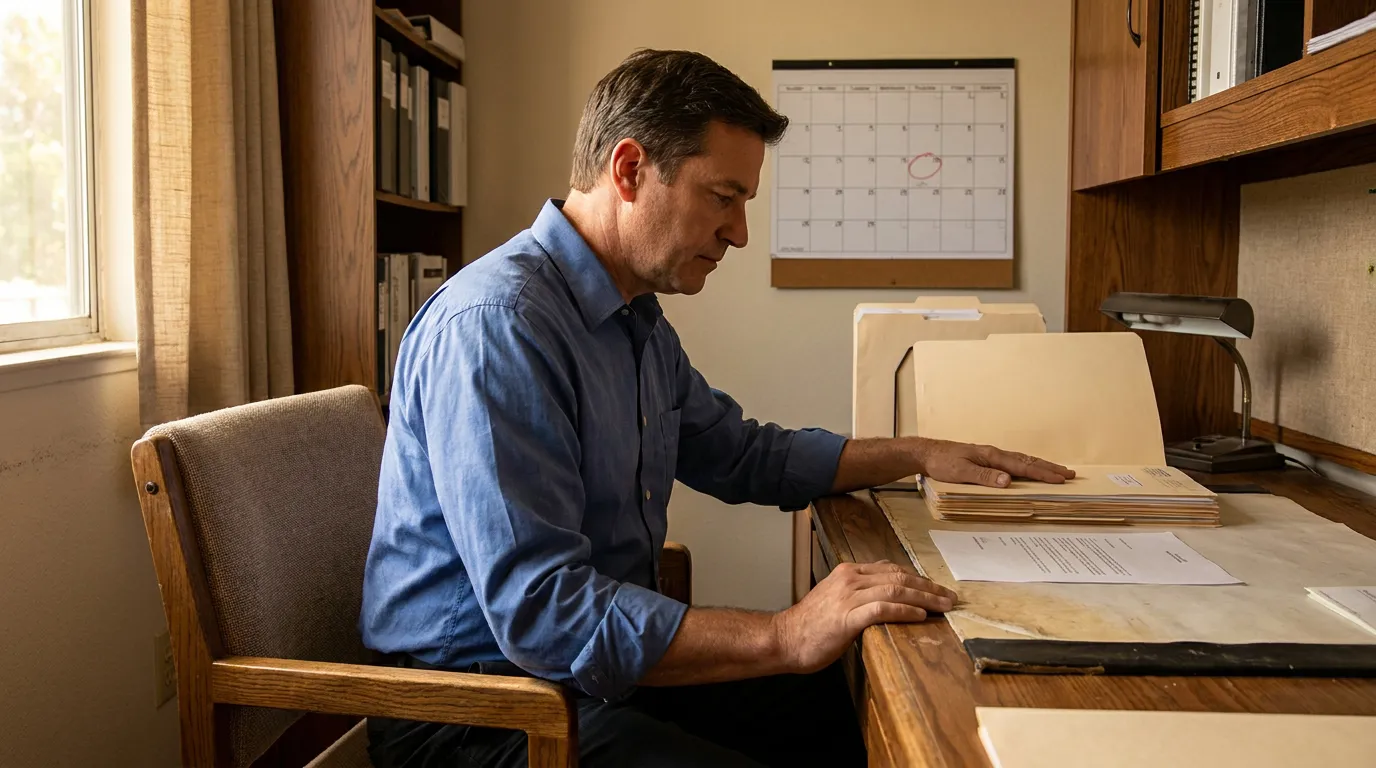
The clock starts when a party files a declaration of readiness to proceed. This form tells the Workers’ Compensation Appeals Board (WCAB) that a dispute is ready to be heard. Under California Labor Code § 5502(a), it must be filed on the form the appeals board requires. Until someone files it, the case generally will not be set for a conference or hearing.
The reviewer matters too. Under California Labor Code § 139.6(c)(2), Information and Assistance officers do not review declarations of readiness to proceed. Workers’ compensation judges do, and the appeals board may delegate the job to settlement conference referees.
Why Filing Too Early Can Hurt You
Filing before your case is truly ready can backfire. Discovery generally closes at the mandatory settlement conference. If your treating physician’s reports, imaging studies, or medical-legal evaluations are incomplete, you could proceed without the evidence that shows how severe your injury really is. The other side can also object to a declaration filed too early. This matters most for workers with permanent spinal damage or brain injuries, whose long-term needs may not be fully documented yet.
How Labor Code 5502 Sets the Mandatory Settlement Conference Timeline
California Labor Code § 5502 creates several scheduling tracks depending on the type of dispute. The full text of Labor Code section 5502 sets out each track. Your track generally depends on the issue in dispute, whether you have an attorney, and your employer’s insurance status.
| Track | Issues Covered | Timing After Declaration Is Filed |
|---|---|---|
| Expedited hearing (§ 5502(b)) | Medical treatment, MPN disputes, appointments, temporary disability, disputes between employers | Hearing held and decision filed within 30 days |
| Priority conference (§ 5502(c)) | Employment status or whether the injury happened on the job, for represented workers or workers with illegally uninsured employers | Within 30 days |
| Mandatory settlement conference (§ 5502(d)(1)) | Most other disputes (lien conferences and expedited cases excluded) | No sooner than 10 days, no later than 30 days; regular hearing within 75 days if not resolved |
| Other hearings (§ 5502(a)) | Cases not covered by the tracks above | No sooner than 10 days, no later than 60 days |
The Expedited Track for Urgent Needs
Some issues are too urgent to wait. Under California Labor Code § 5502(b), a hearing must be held and a decision filed within 30 days after the declaration is filed for certain disputes, including:
- Medical treatment under California Labor Code § 4600, except treatment disputes decided through utilization review and independent medical review under California Labor Code §§ 4610 and 4610.5
- Whether the worker must treat within a medical provider network (MPN)
- Medical treatment or medical-legal appointments
- Temporary disability payments
- Disputes between two or more employers over who is responsible
If your back surgery has been delayed or your temporary disability checks have stopped, the expedited track may be the faster way to get a ruling. If the delay comes from a utilization review denial, though, it usually must be challenged through independent medical review.
Priority Conferences for Contested Injuries
When an insurer argues your injury did not happen at work, the case may get a priority conference. Under California Labor Code § 5502(c), if the worker has an attorney or works or worked for an illegally uninsured employer, and the dispute concerns employment status or whether the injury happened on the job, a judge must hold a priority conference within 30 days after the declaration is filed. If the dispute is not resolved there, the judge may order prompt discovery and set regular status conferences.
What Happens During Workers Comp Mediation at the MSC
Many injured workers call the mandatory settlement conference "workers comp mediation," but it is more formal than private mediation. Under California Labor Code § 5502(d)(2), a workers’ compensation judge or settlement conference referee runs the conference. If the parties agree, the judge or referee may approve a compromise and release or issue a stipulated finding and award. If the case does not settle, the issues and stipulations are framed for trial.
Treat the conference as a real chance to resolve your claim. Insurers often arrive with a figure based on their own reading of your medical record. When the injury is catastrophic, such as a fusion surgery, a permanent cognitive deficit, or an amputation, that figure may not account for future medical care or your full loss of earning capacity. The system is governed by Division 4 of the Labor Code, which gives the WCAB authority to manage these proceedings.
💡 Pro Tip: Before the conference, keep a running list of every treating doctor, prescription, and work restriction. A complete record makes it harder for anyone to understate the long-term effects of your injury.
Discovery Closes at the Conference
Discovery generally closes on the date of the mandatory settlement conference. Under California Labor Code § 5502(d)(3), if the case does not settle, the parties must file a pretrial conference statement listing the disputed issues, each side’s proposed permanent disability rating, exhibits, and witnesses. Evidence not disclosed or obtained by then generally cannot be used at trial, unless the party offering it shows it was not available, or could not have been found with due diligence, before the conference.
Evidence to Gather Before Your Conference
Workers with serious injuries should assemble evidence well before the conference date. In many cases, that includes:
- Medical reports from treating physicians and any QME or AME evaluations
- Imaging, surgical records, and neuropsychological testing for head injuries
- Wage records showing your earnings before the injury
- Statements from coworkers who saw the accident
A permanent disability rating that leaves out a documented condition may lower the value of your claim, and you might not get a chance to fix that later.
When the Case Does Not Settle
If your case does not settle, it generally moves toward trial. Under California Labor Code § 5502(d)(1), the regular hearing (trial) is to be held within 75 days after the declaration is filed. Lien trials are excluded. You can learn more in our guide to the workers’ compensation hearing process.
Real-world scheduling may not match the statute. Calendar congestion, continuances, and incomplete medical reports can push dates back. How your case actually moves depends on its facts and the local board’s caseload.
Why the Severity of Your Injury Changes the Stakes
The more serious the injury, the more is at stake. A worker with a lasting spinal cord injury or traumatic brain injury may need lifetime medical care, vocational adjustments, and compensation for permanent loss of earning capacity. Rating mistakes, missing evidence, or a rushed settlement could follow that worker for decades. A workers comp mediation lawyer can help evaluate whether an offer reflects the true long-term cost of your injury.
💡 Pro Tip: A compromise and release generally closes out future medical care. Before agreeing to one, think carefully about what treatment you may need years from now.
Frequently Asked Questions
1. How long after the declaration of readiness California filing is the MSC held?
Under California Labor Code § 5502(d)(1), a mandatory settlement conference is generally held no sooner than 10 days and no later than 30 days after the declaration is filed. Lien conferences and expedited cases are excluded.
2. Is workers comp mediation the same as a mandatory settlement conference?
Not exactly. The conference is a formal proceeding run by a workers’ compensation judge or settlement conference referee. It is not private mediation, although both aim to reach a settlement.
3. Can I get a faster hearing if my medical treatment is being denied?
Possibly. Under California Labor Code § 5502(b), certain medical treatment disputes may qualify for an expedited hearing with a decision filed within 30 days. Disputes decided through utilization review and IMR follow a separate process.
4. Can I add new evidence after the conference?
Generally, no. Under California Labor Code § 5502(d)(3), discovery closes at the conference, and evidence not disclosed or obtained by then can’t be used unless it was not available, or could not have been found with due diligence.
5. Who reviews my declaration of readiness?
Under California Labor Code § 139.6(c)(2), workers’ compensation judges review declarations of readiness, and the appeals board may delegate that role to settlement conference referees.
Protecting Your Future Before the Conference Date
The mandatory settlement conference timeline moves fast once a declaration of readiness is filed. Most conferences are scheduled within 10 to 30 days. Urgent issues and contested injuries may be heard on separate 30-day tracks, and discovery generally closes at the conference itself. For workers facing permanent spinal, brain, or catastrophic injuries, preparing before that date can shape how well your claim reflects the lifelong impact of your injury.
If you are overwhelmed by a serious workplace injury and an approaching settlement conference, you don’t have to face it alone. Kampf, Schiavone & Associates represents injured workers across San Bernardino and the Inland Empire. Call 909-885-1522 today or reach out to our team to discuss your case.
Disclaimer: This content is for informational purposes only and is not legal advice. Every case is unique, and results may vary. Consult an attorney about your specific circumstances.