

Your Paycheck Stopped After a Serious Work Injury. Now What?
Key Takeaways: Under California Labor Code § 4652, the day of injury generally counts toward the three-day workers’ comp waiting period, unless your employer paid you full wages for that day, in which case the clock generally starts the next day. The waiting period is counted in calendar days, so weekends and days off typically count. If your temporary disability lasts more than 14 days or you are hospitalized as an inpatient, benefits are generally payable back to the date of disability, which may cover those first three days. Your first temporary disability payment is generally due within 14 days after your employer learns of the injury and disability, unless liability is denied within that time. Certain state, UC, and CSU employees injured by a criminal act of violence may have no waiting period. Insurers can make mistakes with start dates and back pay, so keeping pay stubs, written injury reports, and medical records may help protect your benefits.
Yes, the day you were hurt generally counts toward California’s three-day waiting period, unless your employer paid you full wages for that day. California Labor Code § 4652 provides that the day of injury is included unless the employee received full wages for it. If you did receive full pay, the clock generally starts the next day. For workers dealing with a fractured spine, a traumatic brain injury, or a fall from scaffolding, this detail can affect when wage replacement begins and whether those first unpaid days are paid back.
If a serious workplace injury has left you unable to work and unsure when your benefits will start, Kampf, Schiavone & Associates can review where your claim stands. Call 909-885-1522 or contact us now to talk about your situation before delays cost you more.
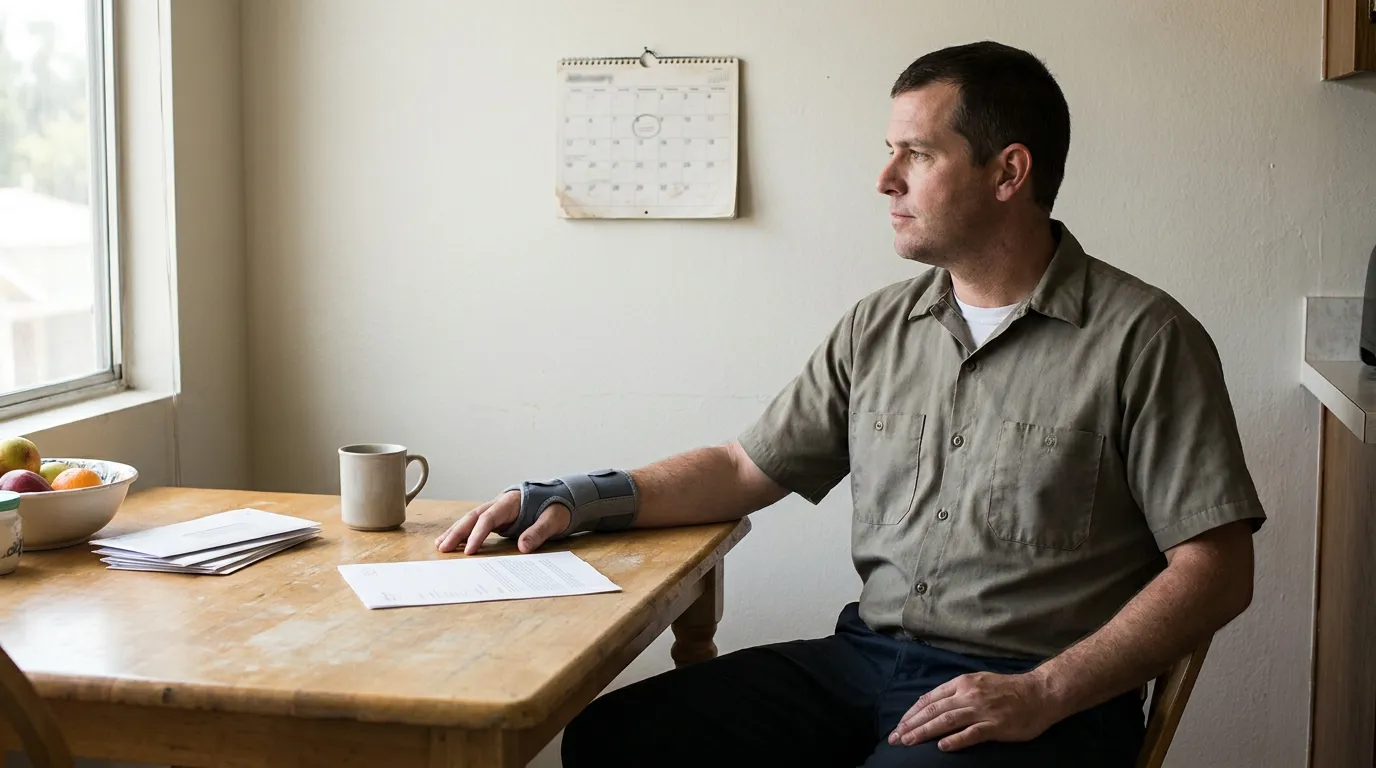
How the Workers Compensation Waiting Period in California Works
California generally does not pay temporary disability (TD) benefits for the first three days of a work-related disability, subject to important exceptions. Under California Labor Code § 4652, and except as Section 4650.5 provides, no temporary disability indemnity is payable for the first three days after the employee leaves work because of the injury. Lawmakers designed this rule to screen out short absences. For workers with severe, long-term injuries, it is often only a short delay and not a permanent loss.
The waiting period is generally counted in calendar days, not working days. Weekends and scheduled days off typically count. This matters for warehouse, construction, and healthcare workers on rotating or compressed schedules, because the waiting period may end before they would have returned to a shift anyway.
When the Day of Injury Counts
Whether the injury date counts generally depends on how you were paid for that day. Here is how that can work in practice:
- Injured Monday morning, sent to the emergency room, not paid for the full shift: Monday may count as day one. The waiting period would generally cover Monday through Wednesday, and TD may begin Thursday.
- Injured Monday afternoon, paid full wages for Monday: The waiting period would generally start Tuesday and run through Thursday. TD may begin Friday.
- Disability lasts more than 14 days or you are admitted to a hospital as an inpatient: The waiting period days are generally paid back, as explained below.
💡 Pro Tip: Keep your pay stub for the week of your injury. It shows whether you received full wages for the day of injury, which can affect your temporary disability start date by a full day.
Why the Day of Injury Waiting Period Matters for Serious Injuries
For catastrophic injuries, the rule mainly affects timing and recordkeeping, and often not your total recovery. A worker with a spinal cord injury or a crushed limb is likely to be off work for more than 14 days, and the law generally provides for payment back to the date of disability. Errors in the start date can still lead to underpayments, so accurate records remain important.
Two Exceptions That Erase the Waiting Period
The three-day waiting period may be reversed in two situations under Labor Code § 4652. If the temporary disability continues for more than 14 days, or if the employee is hospitalized as an inpatient for treatment the injury requires, TD generally becomes payable from the date of disability.
| Situation | Are the First Three Days Paid? | Legal Source |
|---|---|---|
| Disability lasts 14 days or less, no inpatient stay | Generally no | Labor Code § 4652 |
| Disability lasts more than 14 days | Generally yes, from the date of disability | Labor Code § 4652 |
| Inpatient hospitalization required by the injury | Generally yes, from the date of disability | Labor Code § 4652 |
| Certain state, UC, and CSU employees injured by a criminal act of violence | No waiting period generally applies | Labor Code § 4650.5 |
Workers with head trauma, back surgery, amputations, or multiple fractures frequently qualify for one or both exceptions. An inpatient admission after a fall from height may trigger the hospitalization exception on its own, while emergency room treatment or observation without admission may not. If your injury requires surgery or extended rehabilitation, the 14-day threshold is often met as well.
When Your First Temporary Disability Payment Is Due
Once a work injury causes temporary disability, California law sets a deadline for the first payment. Under California Labor Code § 4650(a), the first TD payment generally must be made no later than 14 days after the employer learns of the injury and disability. Benefits owed up to that date generally must be paid at the same time, unless the employer has denied liability within that period. Late payments may be subject to a self-imposed 10% increase under Labor Code § 4650(d), subject to certain exceptions.
This deadline can help you tell whether a payment may be late. If you reported your injury and your doctor took you off work, count 14 days from when your employer learned of both. A missing payment after that point may indicate a problem, though some delays may be excused, for example if the claim is under investigation and the employer has notified you. To learn more about how these payments are calculated and how long they may last, read our guide to temporary disability benefits.
💡 Pro Tip: Report your injury in writing and keep a copy with the date. It may help establish when your employer gained "knowledge of the injury," which starts the 14-day payment clock.
Special Rules for California Public Employees
State Civil Service and University Workers
Some public employees follow industrial disability leave rules that mirror the general waiting period. Under California Government Code § 19875(a), eligible state employees are generally placed on industrial disability leave on the fourth calendar day after leaving work because of a work injury or illness. If the disability lasts more than 14 days or requires inpatient hospitalization, the leave generally begins on the first day. California Education Code § 89529.08(a) applies a similar structure to eligible California State University employees. Eligibility can depend on bargaining unit and employment status.
Victims of Criminal Violence at Work
The waiting period generally does not apply to certain public employees injured by a criminal act of violence. Under California Labor Code § 4650.5, state civil service, University of California Regents, and California State University Trustees employees may receive disability payments from the first day they leave work if the injury resulted from a criminal act of violence against them. Education Code § 89529.08(b) provides a similar first-day rule for CSU employees. These rules apply only to the listed groups, so private-sector workers and other public employees, such as city, county, and school district workers, generally remain subject to the standard three-day period.
Common Problems Injured Workers Face With Waiting Period Calculations
Errors in the temporary disability start date can quietly reduce what you receive. Insurers may treat a day as paid when you only worked part of a shift. They may also fail to pay retroactive benefits after your disability passes 14 days. These mistakes may go uncorrected unless someone notices them.
Other issues often come up in serious injury cases. A denied claim can delay all payments, not just the waiting period. Disputes over whether you were "hospitalized as an inpatient" or only treated in an emergency room may affect retroactive pay. Outcomes depend on the specific facts and records in each case. A workers compensation waiting period in California lawyer can review your payment history and medical records for gaps.
Frequently Asked Questions
1. Does the workers compensation waiting period in California include weekends?
Yes, the waiting period is generally counted in calendar days. Weekends and days off generally count toward the three days.
2. What if I worked part of the day I was injured?
The day of injury generally counts unless you were paid full wages for it. If you were paid only for part of the shift, that day may count as day one under Labor Code § 4652.
3. Will I ever get paid for the first three days?
You may, if your disability lasts more than 14 days or you are hospitalized as an inpatient. In either case, Labor Code § 4652 generally makes TD payable from the date of disability.
4. How soon should my first TD check arrive?
Generally within 14 days after your employer learns of the injury and disability, under Labor Code § 4650(a), unless liability has been denied within that time.
5. Does the waiting period apply if I was assaulted at work?
It depends on your employer. Certain state, UC, and CSU employees injured by criminal violence may receive pay from the first day under Labor Code § 4650.5. Private-sector workers and most other public employees are generally subject to the standard rule.
Protecting Your Wage Replacement After a Life-Altering Injury
The day of injury generally counts toward California’s three-day waiting period unless you received full wages for that day. For workers with spinal injuries, brain trauma, or other disabling harm, the 14-day and inpatient hospitalization exceptions often mean those days may be paid back. Still, late payments, incorrect start dates, and denied claims can put serious financial pressure on families who are already struggling.
If you are facing a long recovery and your benefits do not add up, Kampf, Schiavone & Associates is ready to help you push for the medical care and wage replacement the law provides. Call 909-885-1522 today or schedule your consultation so you can focus on healing.
Disclaimer: This content is for informational purposes only and is not legal advice. Every case is unique, and results may vary. Consult an attorney about your specific circumstances.