

Understanding the True Value Behind Your Work Injury Claim
Key Takeaways: A permanent disability rating in San Bernardino workers’ comp is a percentage measuring how much a lasting injury reduces your earning ability, directly determining your compensation. The rating is issued after your condition becomes "permanent and stationary," factoring in the medical report, your age, occupation, injury date, and reduced earning capacity. California calculates it using the official rating schedule and AMA Guides, multiplying your whole person impairment by 1.4 before applying modifiers. Your percentage controls benefit weeks, with payments generally equaling two-thirds of your average weekly wage. Individual factors such as return-to-work offers, catastrophic conditions, and prior disabilities can adjust your final rating. Even small percentage differences can mean tens of thousands of dollars, making an accurate rating critical and disputable if too low.
A permanent disability rating is the percentage measuring how much a lasting work injury reduces your earning ability, directly controlling your compensation. For seriously injured San Bernardino workers, this number can mean the difference between financial security and struggling with medical bills and lost income.
If you are recovering from a serious back injury, spinal damage, traumatic brain injury, or another catastrophic workplace accident, the team at Kampf, Schiavone & Associates is ready to help. Call us at (909) 885-1522 or reach out through our confidential contact form.
What a Permanent Disability Rating Really Means
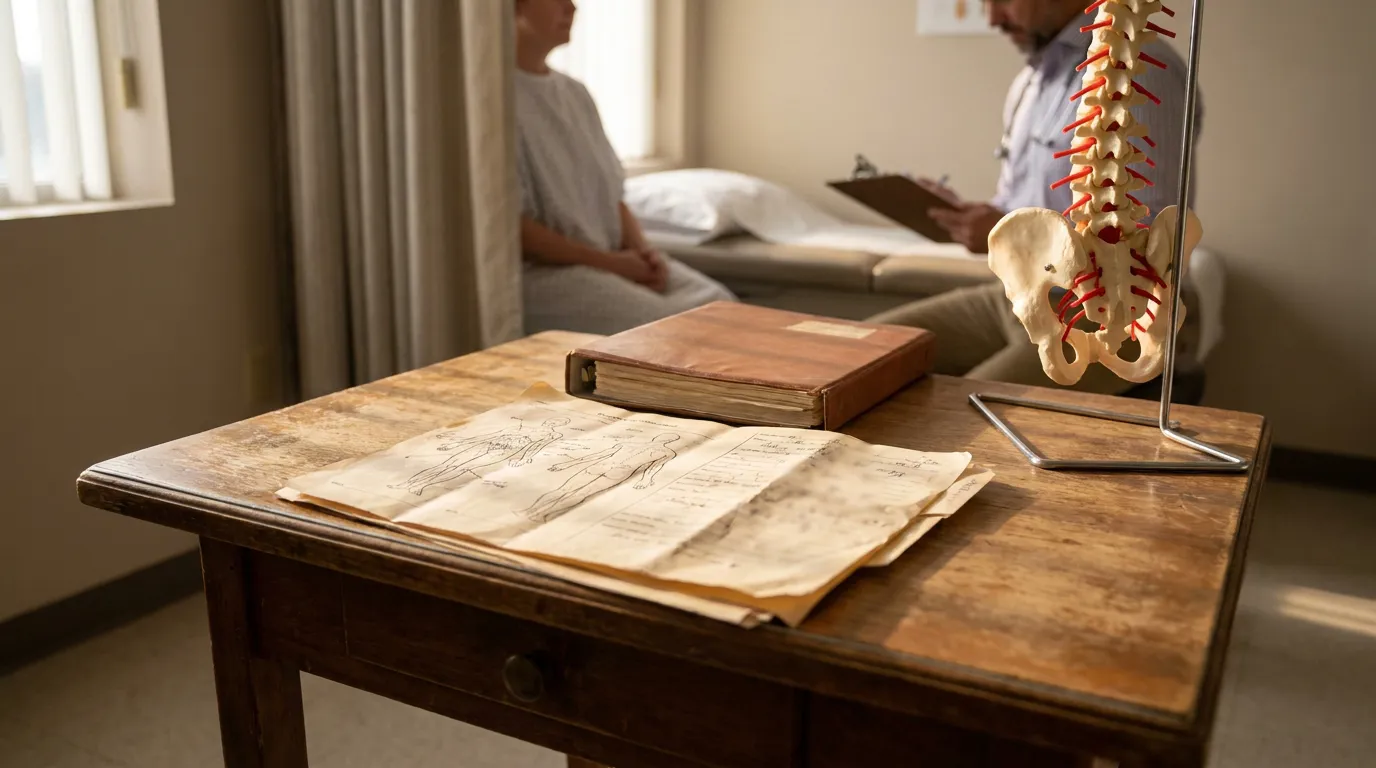
A permanent disability rating reflects the lasting impact of your injury on your work capacity, expressed as a percentage. It is issued after your medical condition stabilizes and your treating physician determines you have reached maximum recovery.
Permanent disability benefits begin with the doctor’s "permanent and stationary" (P&S) report. After that report, the worker receives a rating corresponding to compensation for lowered earning capacity. This timing matters because a premature rating may not capture the full extent of serious injury.
The rating is based on the medical report, injury date, your age, your occupation, how much of the disability is job-caused, and your reduced future earning capacity. Understanding a PD rating in California is essential for any injured worker in San Bernardino.
💡 Pro Tip: Do not accept that your condition is "permanent and stationary" simply because an insurer says so. If you are still improving or in active treatment, a premature P&S finding can lock in a lower rating.
How a Permanent Disability Rating California Workers Comp Case Is Calculated
The calculation follows California’s official "Schedule for Rating Permanent Disabilities." The doctor rates impairment according to American Medical Association (AMA) guidelines, and those figures are adjusted for individual factors.
For work injuries on or after January 1, 2013, three legal factors must be accounted for in the rating. Under California Labor Code § 4660.1(a), the rating must reflect the nature of the physical injury or disfigurement, the injured worker’s occupation, and the worker’s age at injury. Two workers with identical injuries may receive different ratings.
The Role of the Qualified Medical Evaluator
For unrepresented injured workers, the rating process runs through the Qualified Medical Evaluator (QME). Under California Labor Code § 4061(e), within 20 days of receiving the comprehensive medical evaluation, the administrative director must calculate the rating and serve it on both employee and employer.
Workers represented by an attorney generally have more options during the evaluation process. This flexibility can be significant because the QME’s findings often form the foundation of your claim.
The AMA Guides and Whole Person Impairment
California uses the AMA Guides to the Evaluation of Permanent Impairment (5th Edition) as the medical foundation for ratings. A physician assesses your "whole person impairment" (WPI) percentage. Under California Labor Code § 4660.1(b), that WPI figure is multiplied by 1.4 before further modifiers, such as occupation and age, are applied.
Under California Labor Code § 4660.1(d), the Schedule for Rating Permanent Disabilities (pursuant to the AMA Guides, 5th Edition) and the schedule of age and occupational modifiers shall be available for public inspection and, without formal introduction in evidence, shall be prima facie evidence of the percentage of permanent disability to be attributed to each injury covered by the schedule. The schedule promotes consistency and objectivity across all California cases.
How Your PD Percentage Translates Into Weeks of Benefits
Your permanent disability percentage directly determines how many weeks of benefits you receive. California law ties payment weeks to your PD percentage on a tiered scale. Even a few percentage points can change the total dollar value by tens of thousands.
Under California Labor Code § 4658(e), injuries on or after January 1, 2013, follow a tiered schedule of weeks per one percent of disability.
| PD Rating | Weeks of Pay per 1% of PD |
|---|---|
| 0.25, 9.75% | 3 weeks |
| 10, 14.75% | 4 weeks |
| 15, 24.75% | 5 weeks |
| 25, 29.75% | 6 weeks |
| 30, 49.75% | 7 weeks |
| 50, 69.75% | 8 weeks |
| 70, 99.75% | 16 weeks |
Payment amounts generally equal two-thirds of your average weekly wage, subject to statutory limits. These payments are calculated according to your disability rating, wages at injury, and injury date. For detailed overview of how these permanent disability benefits are structured, reputable worker resources provide helpful background.
💡 Pro Tip: Keep pay stubs, timesheets, and records of overtime and bonuses. Your "average weekly wage" can be higher than what an insurer initially calculates.
Factors That Can Raise or Lower Your Final Rating
Several individualized factors can push your final rating up or down after the initial impairment number is set. These adjustments can significantly affect high-value claims.
Return-to-Work Adjustments
A return-to-work offer from a large employer can adjust benefits by 15 percent in either direction, but only for injuries between January 1, 2005, and January 1, 2013. Under California Labor Code § 4658(d), if an employer with at least 50 employees offers regular, modified, or alternative work lasting at least 12 months, PD benefits decrease by 15 percent, while benefits increase by 15 percent if no offer is made. For injuries on or after January 1, 2013, the 15 percent adjustment under § 4658(d) was eliminated by SB 863. Instead, eligible workers with post-2013 injuries who receive a Supplemental Job Displacement Benefit (SJDB) voucher may separately apply for the state’s Return-to-Work Supplement Program, which provides a one-time $5,000 payment under Labor Code § 139.48.
Secondary and Catastrophic Conditions
In most cases, secondary conditions arising from a physical injury will not increase your rating, but important exceptions exist for catastrophic harm. Under California Labor Code § 4660.1(c)(1) and (c)(2), impairment for sleep dysfunction, sexual dysfunction, or psychiatric disorder arising from a compensable physical injury generally shall not increase the rating. However, exceptions apply when the psychiatric injury resulted from being the victim of a violent act or a catastrophic injury such as loss of a limb, paralysis, severe burn, or severe head injury.
Even after a rating is established, a worker may still be found to have a permanent total disability of 100 percent under a separate standard. California Labor Code § 4660.1(g) confirms that the statute does not preclude a finding of permanent total disability in accordance with Section 4662.
💡 Pro Tip: If your serious physical injury has triggered severe depression, anxiety, or PTSD following a violent workplace event, tell your doctor and document it. These conditions may factor into your rating.
Additional Benefits and Ongoing Policy Debate
California maintains a special fund for workers who suffered a serious injury after already living with a prior disability. Under California Labor Code § 62.5(c)(1), the Subsequent Injuries Benefits Trust Fund is continuously appropriated for workers who have suffered serious injury and are suffering from previous and serious permanent disabilities or impairments. San Bernardino workers in this category may be entitled to benefits covering the combined effect of old and new disabilities.
The rating schedule has long been at the center of statewide policy debates. Research from the RAND Corporation notes that California’s permanent disability rating schedule reforms sit at the center of legislative debates over reducing workers’ compensation system costs.
💡 Pro Tip: If you had a prior injury before your recent workplace accident, do not assume it disqualifies you. The Subsequent Injuries Benefits Trust Fund exists for workers whose disabilities have combined into something far more serious.
Challenging a Rating You Believe Is Too Low
You are not required to accept a rating you disagree with. Ratings are disputable. You can contact the claims administrator first, and if unresolved, you may request that a workers’ compensation judge determine the rating.
A rating that undervalues a catastrophic injury can cost you dearly over a lifetime. If you believe your percentage does not reflect the true severity of your condition, learning your options for a low permanent disability rating dispute is critical.
Frequently Asked Questions
-
How long does it take to receive a permanent disability rating?
A rating is issued only after your condition becomes permanent and stationary. For unrepresented workers, once the QME’s evaluation is received, the administrative director generally has 20 days to calculate and serve the rating under California Labor Code § 4061(e).
-
Can two workers with the same injury get different ratings?
Yes. Under California Labor Code § 4660.1(a), the rating accounts for the injury nature, your occupation, and your age at injury. Identical injuries can produce different percentages.
-
Does a higher percentage always mean more money?
Generally, yes. Under California Labor Code § 4658(e), higher percentages translate into more weeks of benefits per one percent of disability, with payments typically two-thirds of your average weekly wage.
-
What if my injury caused depression or a psychiatric condition?
In most cases, psychiatric conditions arising from a physical injury will not raise your rating. However, under California Labor Code § 4660.1(c)(2), exceptions exist when the psychiatric injury stems from a violent act or a catastrophic injury such as paralysis or severe head injury.
-
Can I still be found totally disabled if my rating is below 100 percent?
Possibly. California Labor Code § 4660.1(g) preserves the ability to find permanent total disability under Section 4662, even where the scheduled percentage is lower.
Securing the Compensation Your Serious Injury Demands
A permanent disability rating shapes your financial recovery, access to long-term medical care, and your family’s future. For workers facing spinal injuries, traumatic brain injuries, amputations, or other catastrophic harm, an accurate rating can be the foundation of lifelong stability. Understanding your rights early makes a real difference.
When your future is on the line, you deserve seasoned advocates who focus on serious, life-altering injuries. The dedicated workers comp attorney San Bernardino team at Kampf, Schiavone & Associates is ready to fight for the full value of your claim. Call us now at (909) 885-1522, visit Kampf, Schiavone & Associates online, or send us a message through our secure contact page to take the first step toward protecting your recovery.