

Understanding a Devastating Newborn Brain Injury and Your Legal Options in San Bernardino
Key Takeaways: Hypoxic-Ischemic Encephalopathy (HIE) is a serious newborn brain injury caused by oxygen and blood flow deprivation around birth. While not all HIE cases stem from medical error, many result from preventable failures like improper fetal monitoring, delayed response to distress, or untimely cesarean delivery. California birth injury claims require proving duty, breach, causation, and damages through qualified medical expert testimony. AB 35 modernized non-economic damage caps to $350,000-$750,000 for most HIE claims, though economic damages remain uncapped. Strict deadlines apply, including special timeframes for young children and shorter limits for public hospital claims. Early evidence preservation is essential.
Hypoxic-Ischemic Encephalopathy (HIE) is a serious brain injury occurring when a newborn’s brain is deprived of adequate oxygen and blood flow around birth. HIE can cause permanent harm, sometimes traceable to preventable medical negligence during labor and delivery. When oxygen deprivation leads to lasting damage, Inland Empire families face lifelong medical needs, therapy, and uncertainty. Understanding HIE and California law is the first step toward protecting your child’s future.
If your family is grappling with a newborn brain injury, the team at Kampf, Schiavone & Associates is ready to listen. Reach our office at (909) 885-1522 or contact us now to discuss your situation.
💡 Pro Tip: If you suspect your child’s HIE resulted from provider error, request complete labor, delivery, and fetal monitoring records immediately, these are central evidence in any claim.
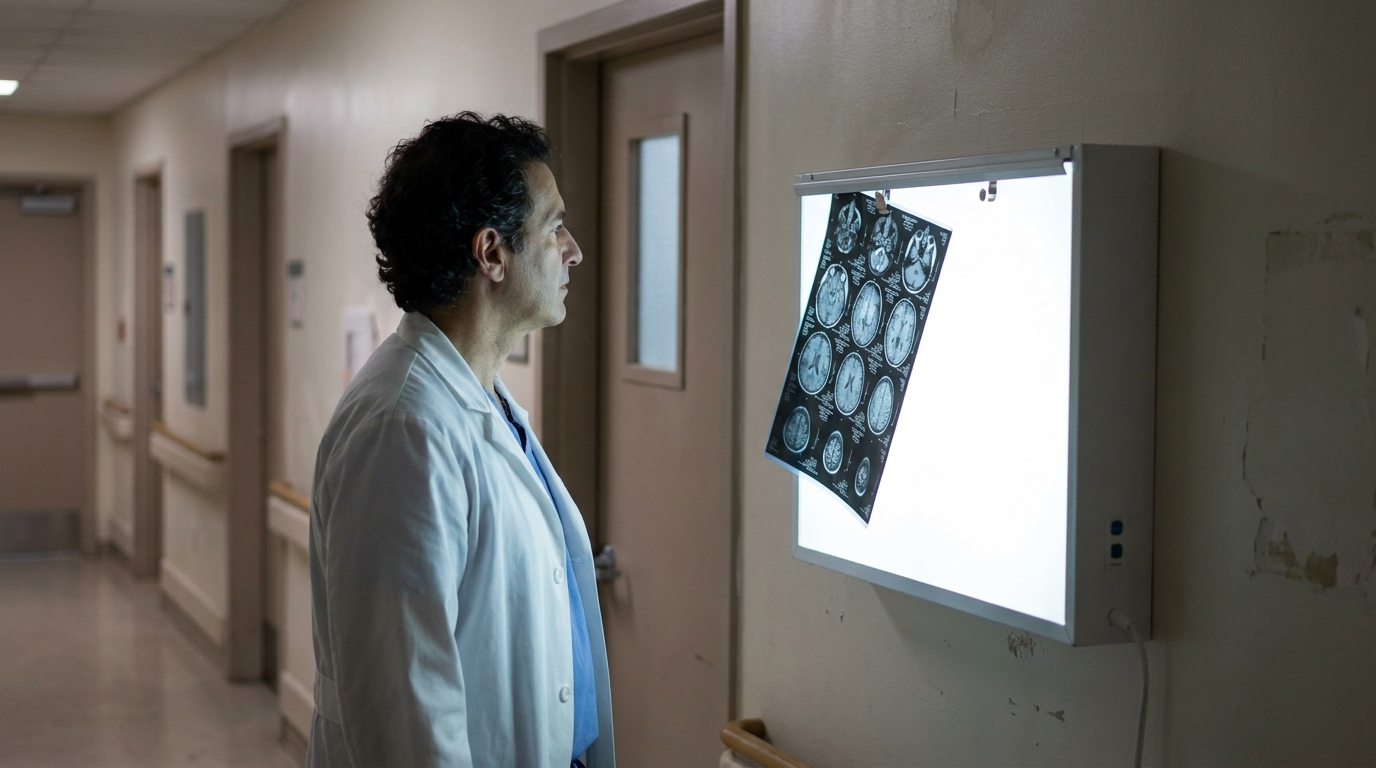
What HIE Actually Does to a Newborn’s Brain
HIE develops when a baby experiences oxygen deprivation at birth, triggering cellular injury in the developing brain. "Hypoxic" refers to insufficient oxygen, while "ischemic" refers to restricted blood flow. Together, these conditions damage brain tissue within minutes, with severity depending on deprivation duration and response time.
The consequences can be profound and permanent. California Health and Safety Code § 24520 recognizes that vigorous shaking of an infant or child can result in bleeding inside the head, causing irreversible brain damage, blindness, cerebral palsy, hearing loss, spinal cord injury, seizures, learning disabilities, and even death; that statute addresses Shaken Baby Syndrome and is not specific to HIE.
Common Long-Term Effects of HIE
Children with moderate to severe HIE frequently face conditions requiring decades of care, including:
- Cerebral palsy and impaired motor function
- Cognitive and developmental delays
- Seizure disorders and epilepsy
- Vision and hearing loss
- Lifelong therapy and assistive care dependence
💡 Pro Tip: Document every specialist visit, diagnosis, and therapy recommendation. Clear records of long-term medical needs help demonstrate injury impact.
When Oxygen Deprivation Becomes Medical Negligence
Not every HIE case results from provider error, but many link to preventable failures during pregnancy, labor, or delivery. Viable claims require showing the provider breached the standard of care, causing injury and damages. This fact-intensive analysis depends on specific medical circumstances.
Recurring failures contributing to oxygen deprivation include failure to monitor or interpret fetal heart tracings, delayed response to distress, untimely cesarean delivery, improper instrument use, or mismanaged umbilical cord complications. The question is whether a reasonably careful provider would have acted differently.
Proving claims almost always requires qualified medical professionals to review records and testify. California malpractice cases cannot proceed on belief alone; medical experts must establish the standard of care and explain deviations. Early evidence preservation and expert testimony are essential, which is why families often consult a lawyer after diagnosis.
💡 Pro Tip: Fetal monitoring strips are often the most critical evidence. Request in writing that hospitals preserve these records.
Building a Birth Injury Medical Malpractice California Claim
A successful birth injury claim requires four elements: duty, breach, causation, and damages. The provider owed a duty, breached the standard, caused injury through that breach, and the child suffered compensable harm. Because HIE involves complex medical timelines, causation is frequently contested and requires detailed medical analysis.
In severe cases, oxygen deprivation causes fetal or neonatal death. California Health and Safety Code § 103005(a) requires coroners to document fetal death causes within three days; however, subsection (b) (added by AB 2223 in 2022) provides that this documentation shall not be used to establish, bring, or support a criminal prosecution or civil cause of action seeking damages against any person who is immune from liability under Health and Safety Code § 123467 (i.e., persons protected under the Reproductive Privacy Act for pregnancy-related outcomes). The restriction is narrowly limited to those persons immunized under § 123467 and is not a blanket evidentiary bar in all litigation. However, identifying correct defendants and analyzing governmental immunities remains critical.
Physician Accountability and Public Reporting
California law mandates accountability in malpractice resolution. Under California Business and Professions Code § 801.01(a)(1), settlements over $30,000, arbitration awards, or civil judgments must be reported to the Medical Board of California.
The Medical Board publicly discloses certain malpractice histories. Under California Business and Professions Code § 803.1(b), civil judgments and arbitration awards related to physician negligence are disclosed, and settlement histories are conditionally disclosed (for example, three or more settlements for low‑risk specialties or four or more for high‑risk specialties within 10 years). Section 803.1(d) requires a disclaimer stating that settlements should not be construed as creating a presumption that malpractice occurred. This transparency helps families research provider backgrounds.
How AB 35 Changed Compensation in HIE Cases
AB 35 modernized non-economic damages in malpractice cases. For decades, caps were fixed at $250,000.
Governor Gavin Newsom signed AB 35, legislation to modernize the system for awarding damages in medical malpractice cases in California.
Read the state’s landmark malpractice reform announcement.
New caps phase in over time and differ by case type. For most HIE claims without death, non-death caps apply. Caps affect only non-economic damages like pain and suffering, not economic damages like lifelong medical care.
| Case Type | Starting Cap (2023) | Annual Increase | Final Cap |
|---|---|---|---|
| Non-death (most HIE claims) | $350,000 | $40,000/year | $750,000 |
| Wrongful death | $500,000 | $50,000/year | $1,000,000 |
Cases not involving death start at $350,000, increasing over 10 years to $750,000 with 2% annual inflation adjustments.
Wrongful death caps begin at $500,000, increasing $50,000 annually to $1 million.
💡 Pro Tip: Caps apply only to non-economic damages. Long-term care costs, surgeries, and lost earning capacity aren’t capped, making thorough damages analysis crucial.
Deadlines That Can Make or Break an HIE LawsUIT
Timing is critical in birth injury claims, with California setting firm deadlines. Generally,
California provides that a medical malpractice claim usually must be brought within three years of an injury or one year of discovery, whichever is sooner.
Courts interpret tolling narrowly, don’t assume extensions apply automatically.
California provides separate timeframes for young children.
A child in California who is under six years old can bring a claim within three years or at any time before their eighth birthday, whichever provides more time.
This differs from adult deadlines and depends on who files and whether the injury’s cause was immediately apparent.
Public hospital claims carry shorter, separate deadlines. When birth injuries occur at government facilities,
separate, potentially much shorter time limits may apply to birth injury claims against these hospitals.
Administrative claim deadlines differ from civil statutes, and missing one jeopardizes strong cases. Consult a birth injury attorney San Bernardino families trust to preserve rights.
💡 Pro Tip: For county or public hospital births, act quickly. Government deadlines are far shorter and strictly interpreted.
Frequently Asked Questions
1. Is every case of HIE caused by medical malpractice?
No. HIE can result from uncontrollable factors. Claims exist only when providers breach care standards causing injury, requiring expert medical review.
2. How long do I have to file an HIE lawsuit in California?
It depends. General deadlines are three years from injury or one year from discovery. Children under six often have until age eight. Public hospitals involve shorter notice deadlines.
3. Does the damage cap limit all of my child’s compensation?
No. AB 35 caps apply only to non-economic damages. Economic damages including lifelong care aren’t capped.
4. Can I find out if a doctor has prior malpractice claims?
Often yes. Under California Business and Professions Code § 803.1(b), civil judgments and arbitration awards related to physician negligence are disclosed and settlements are conditionally disclosed; § 803.1(d) requires a disclaimer that settlements should not be construed as creating a presumption of malpractice.
5. What evidence is most important in an HIE claim?
Medical records are central. Fetal monitoring strips, delivery notes, and death certificates form the evidentiary foundation alongside expert testimony.
Protecting Your Child’s Future Starts With Understanding the Law
HIE is among the most serious birth injuries, with legal paths shaped by California’s malpractice statutes, damage caps, and strict deadlines. When oxygen deprivation stems from negligence, families may pursue compensation for lifelong care and lost opportunity. Timely action and evidence preservation are essential.
You don’t face this alone. The compassionate team at Kampf, Schiavone & Associates advocates for families confronting catastrophic injuries. Call (909) 885-1522 or reach out today to discuss your child’s situation and learn how California law can help secure needed resources.