

Understanding Whole Person Impairment and What It Means for Your Workers’ Comp Claim
Key Takeaways: Whole person impairment (WPI) quantifies how much a workplace injury has permanently reduced your overall body function using AMA Guides. Your doctor assigns a WPI rating after reaching Maximum Medical Improvement (MMI), which forms the foundation for calculating permanent disability benefits. The final disability percentage also factors in occupation, age at injury, and apportionment for pre-existing conditions; for injuries on or after January 1, 2013 a flat 1.4 multiplier is applied to the WPI (the previous future earning capacity modifier was eliminated). Higher WPI ratings typically mean greater benefits. If your rating seems too low, request an independent assessment through a Qualified Medical Evaluator (QME) or Agreed Medical Evaluator (AME). Permanent disability benefits in California are tax-free.
If you have suffered a serious workplace injury in San Bernardino, you may have encountered the term "whole person impairment" or "WPI" during your workers’ compensation case. Whole person impairment is a medical measurement that quantifies how much your injury has permanently reduced your body’s overall function, serving as the foundation for calculating your permanent disability rating under California workers’ comp. Your treating doctor evaluates your impairment according to American Medical Association (AMA) guidelines. That impairment number feeds into a larger formula determining your disability benefits; for injuries on or after January 1, 2013 the WPI is multiplied by 1.4 before occupation and age adjustments, with apportionment applied afterward. For workers dealing with devastating back injuries, traumatic brain injuries, amputations, or other life-altering harm, understanding this process is critical.
If you are struggling to understand your WPI rating or believe your permanent disability benefits do not reflect your injury’s true severity, Kampf, Schiavone & Associates can help. Call (909) 885-1522 or reach out to our team today to discuss your case with attorneys experienced in fighting for injured workers throughout the Inland Empire.
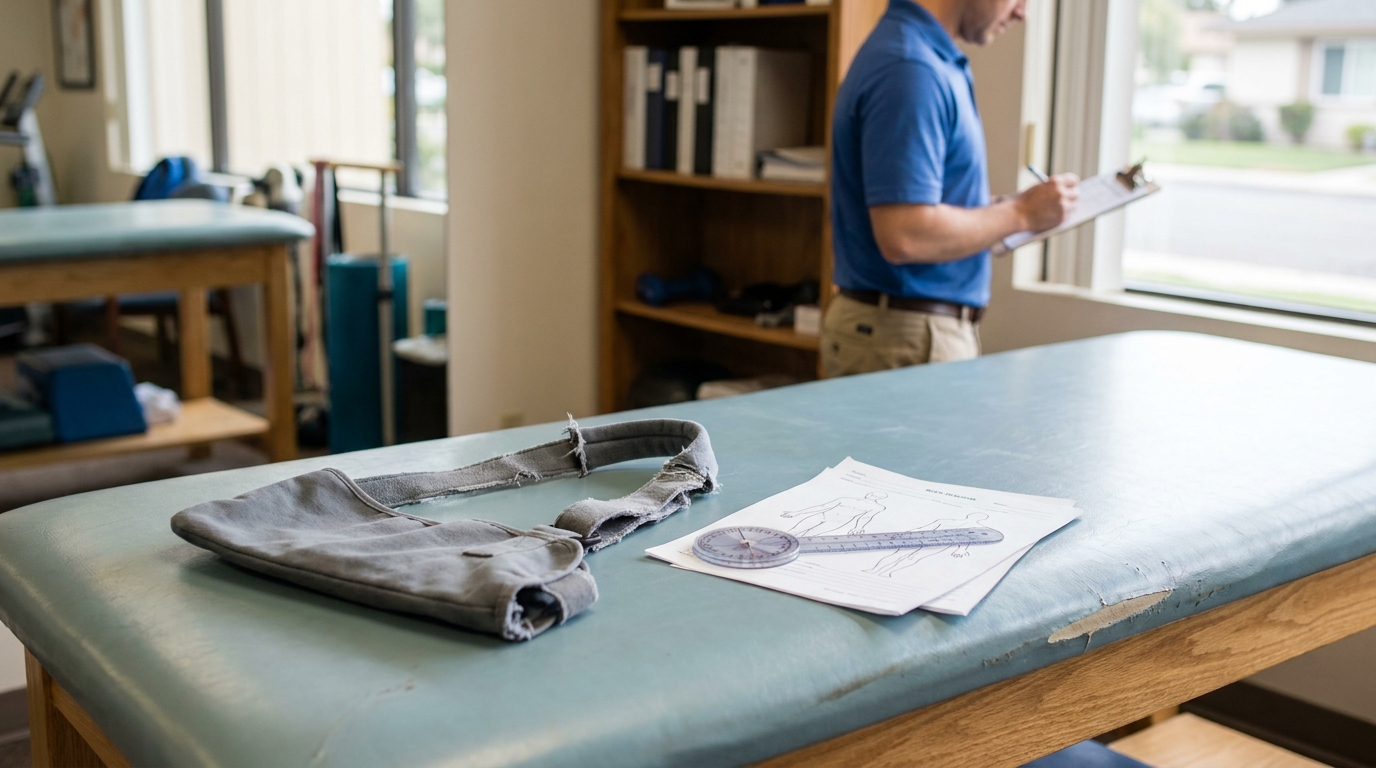
How the AMA Guides Shape Your Permanent Disability Rating California Workers Comp
The AMA Guides to the Evaluation of Permanent Impairment provide the standardized framework that California physicians use to assess permanent injury severity. More than 40 states, including California, rely on the AMA Guides as the accepted authority for rating permanent loss of function. California law specifically mandates the AMA Guides Fifth Edition for evaluating permanent impairment in workers’ compensation cases, as required by Senate Bill 899 enacted in 2004.
Your doctor cannot assign a WPI rating until you have reached Maximum Medical Improvement (MMI). MMI is the point at which your condition has stabilized and further medical treatment is unlikely to produce significant improvement. Once you reach MMI, your physician uses the AMA Guides to assess your impairment. For workers who suffered severe spinal cord or traumatic brain injuries, reaching MMI may take months or longer.
💡 Pro Tip: Do not rush your MMI determination. If your doctor declares MMI before your condition has truly stabilized, your WPI rating may understate your permanent limitations.
What Happens During the WPI Rating Process
After you reach MMI, your doctor will conduct an examination and write a detailed medical report about your impairment. Impairment means how your injury affects your ability to perform normal life activities. The doctor’s report concludes with an impairment number reflecting your degree of functional loss.
The WPI number your doctor assigns is not the same as your final permanent disability percentage. The impairment number is placed into a formula that factors in your occupation and your age at injury; for injuries on or after January 1, 2013 the WPI is multiplied by 1.4 before those adjustments, and the future earning capacity modifier was eliminated for those injuries. Two workers with the same WPI rating can receive different permanent disability percentages based on individual circumstances.
How WPI Converts to a Permanent Disability Rating
The conversion from WPI to a permanent disability percentage involves several adjustment factors under California law. The table below illustrates the key components:
| Factor | What It Measures |
|---|---|
| WPI Rating (AMA Guides) | Percentage of whole body function permanently lost |
| 1.4 Multiplier (post-Jan. 1, 2013) | For injuries on or after Jan. 1, 2013, the WPI is multiplied by 1.4 (the former future earning capacity modifier was eliminated) |
| Occupation | How the impairment affects your ability to perform your specific job duties |
| Age at Injury | Adjusts for the longer impact on younger workers’ earning years |
| Apportionment | Removes any portion of disability caused by something other than the work injury (apportionment is applied after the PD rating is calculated) |
The permanent disability rating is based on the medical evaluator’s report, your occupation, and age at injury. For injuries on or after January 1, 2013, the AMA Guides Fifth Edition WPI is multiplied by 1.4 and then adjusted for occupation and age; reduced future earning capacity is no longer a direct rating factor for those injuries, and causation is addressed through apportionment rather than as a separate rating input. Ratings are expressed as percentages, with 100% representing total disability and anything below 100% classified as partial disability.
💡 Pro Tip: Your occupation plays a significant role in the final calculation. A back injury that might result in a moderate rating for an office worker could produce a substantially higher rating for a warehouse laborer or construction worker. Ensure your occupational classification is accurate.
Apportionment: How Pre-Existing Conditions Can Reduce Your Benefits
Under California workers’ compensation law, apportionment allows the insurance company to subtract any portion of your disability caused by something other than your work injury. The medical evaluator’s report will address whether any current impairment stems from pre-existing conditions, prior injuries, or non-industrial causes. Any portion attributed to these other causes is excluded from your permanent disability benefits calculation, apportionment is applied after the PD rating is calculated.
Apportionment disputes are among the most contested issues in serious workers’ comp cases. For a San Bernardino worker with a catastrophic back injury, an insurer may argue that degenerative disc disease or a prior injury accounts for significant disability. Challenging unfair apportionment determinations requires thorough medical documentation and often support from a San Bernardino work injury attorney.
💡 Pro Tip: Keep detailed records of your physical abilities before your work injury. Evidence showing you were fully functional before the incident can help counter aggressive apportionment arguments.
How Permanent Disability Benefits Are Calculated in San Bernardino
Once your permanent disability rating is finalized, your disability percentage corresponds to a specific number of weeks of benefits and a weekly payment amount based on your injury date and average weekly wages. The weekly permanent disability payment generally equals two-thirds of your average weekly wage, subject to minimum and maximum rates established by the California Labor Code.
Your employer’s return-to-work actions can also affect your permanent disability payments by up to 15% under Labor Code § 4658. If your employer offers you regular, modified, or alternative work within 60 days of your condition becoming permanent and stationary for at least 12 months, your remaining payments may decrease by 15%. Conversely, if your employer has 50 or more employees and fails to make such an offer, your remaining payments may increase by 15%.
Tax Treatment of Permanent Disability Benefits
Permanent disability benefits are not subject to federal or state income taxation. This is an important consideration when evaluating your claim’s total value. The benefits you receive represent tax-free income, meaning the actual purchasing power is greater than an equivalent amount of taxable wages. Learn more about your rights through the California Division of Workers’ Compensation FAQ.
💡 Pro Tip: Even though permanent disability benefits are tax-free, they may not fully replace your lost earning capacity. Discuss the full scope of benefits available, including supplemental job displacement benefits and vocational retraining, with your attorney.
Why the Severity of Your Injury Matters for Your WPI Rating
A higher WPI rating generally translates to greater permanent disability benefits, which is why accurate medical evaluation is so important. Workers who have suffered catastrophic injuries, such as spinal cord damage, traumatic brain injury, or amputation, will typically receive higher WPI ratings reflecting the profound impact on their daily lives. The difference between an accurate and an understated WPI rating can mean tens of thousands of dollars in benefits.
If you believe your WPI rating does not accurately reflect your condition’s severity, you have options. You may request a Qualified Medical Evaluator (QME) or Agreed Medical Evaluator (AME) to conduct an independent assessment. The process for qualifying for permanent disability benefits in California involves multiple steps where errors can occur, and experienced legal representation can make a significant difference.
💡 Pro Tip: Review your medical evaluator’s report carefully. If the report does not account for all your functional limitations, bring this to your attorney’s attention immediately. Errors in the medical report can directly lower your WPI calculation and reduce your benefits.
Protecting Your Rights Through the Permanent Disability Process
Navigating the WPI and permanent disability rating process requires vigilance at every stage. From ensuring your doctor accurately documents your functional limitations to challenging unfair apportionment or low impairment ratings, injured workers in San Bernardino face a system that can feel overwhelming. Insurance carriers have significant resources, and injured workers deserve equally strong advocacy.
The decisions made during the rating process can affect your financial security for years to come. Whether you are dealing with a severe occupational injury from a construction site fall, a permanent back injury, or a traumatic brain injury, thorough medical documentation, an accurate WPI rating, and a properly calculated permanent disability percentage are essential.
Frequently Asked Questions
1. What is the difference between whole person impairment and permanent disability?
Whole person impairment (WPI) is a medical measurement of how much body function you have permanently lost, assessed using the AMA Guides. Permanent disability is a broader legal calculation that takes your WPI rating and adjusts it based on your occupation, age at injury, and (for injuries on or after January 1, 2013) applies a flat 1.4 multiplier; apportionment is applied afterward. Your WPI serves as the starting point, but the final permanent disability rating may differ.
2. When can I receive a WPI rating for my workers’ comp claim?
You must reach Maximum Medical Improvement (MMI) before a physician can assign a WPI rating. MMI means your condition has stabilized and is unlikely to improve significantly with further treatment. The timeline varies depending on your injury’s severity.
3. Can my employer’s actions change my permanent disability benefits?
Yes. Under California Labor Code § 4658, if your employer offers you regular, modified, or alternative work within 60 days of your condition becoming permanent and stationary for at least 12 months, your remaining payments may decrease by 15%. If your employer has 50+ employees and fails to offer qualifying work, your remaining payments may increase by 15%.
4. Are permanent disability benefits taxable in California?
No. Permanent disability benefits under California workers’ compensation are not subject to federal or state income taxation.
5. What should I do if I think my WPI rating is too low?
If you believe your WPI rating does not accurately reflect your injury’s severity, request an evaluation by a Qualified Medical Evaluator (QME) or Agreed Medical Evaluator (AME). An experienced workers’ compensation attorney can review the medical report, identify errors, and help you pursue a more accurate rating.
Take Action to Protect Your Future After a Serious Work Injury
Your WPI rating and permanent disability percentage will shape your financial recovery for years after a devastating workplace injury. Understanding how the California workers’ comp system measures impairment, applies apportionment, and calculates benefits gives you the knowledge to advocate for what you deserve.
If you suffered a serious injury on the job in San Bernardino or the Inland Empire and need guidance through the permanent disability rating process, Kampf, Schiavone & Associates is ready to fight for the benefits you deserve. Call (909) 885-1522 or contact our team now to schedule a consultation with attorneys who have a proven track record of representing injured workers.