


Understanding Who Foots the Bill for a Serious Workplace Brain Injury
Key Takeaways: In California, long-term medical care for workplace traumatic brain injuries is paid through workers’ compensation by the employer’s insurance carrier, self-insured employer, or the Subsequent Injuries Benefits Trust Fund. Under Labor Code § 4600, workers receive all treatment reasonably required to cure or relieve the injury, including surgery, neurological care, and rehabilitation, with no deductibles or co-payments. Injured workers can seek qualified brain trauma specialists within the Medical Provider Network. When insurers deny treatment, Independent Medical Review and WCAB appeals offer challenge paths, though deadlines like the 20-day appeal window under § 5903 are strict. Because TBI conditions evolve, employers must monitor unstable conditions until stabilization before finalizing benefits. Experienced legal advocacy is critical to securing long-term care.
A traumatic brain injury from a workplace accident can demand years of medical care, and in California, that care is generally paid for through the workers’ compensation system rather than out of the injured worker’s pocket. When a fall, forklift collision, or struck-by incident causes a TBI, the financial weight of surgery, rehabilitation, and long-term neurological treatment can feel crushing. California law places this responsibility on the employer and its claims administrator, subject to specific rules every claimant should understand.
If you or a loved one is facing a brain injury after a workplace accident, the team at Kampf, Schiavone & Associates is ready to help you fight for the benefits you deserve. Call us today at (909) 885-1522 or reach out through our contact page to discuss your situation.
The Legal Foundation for TBI Medical Coverage
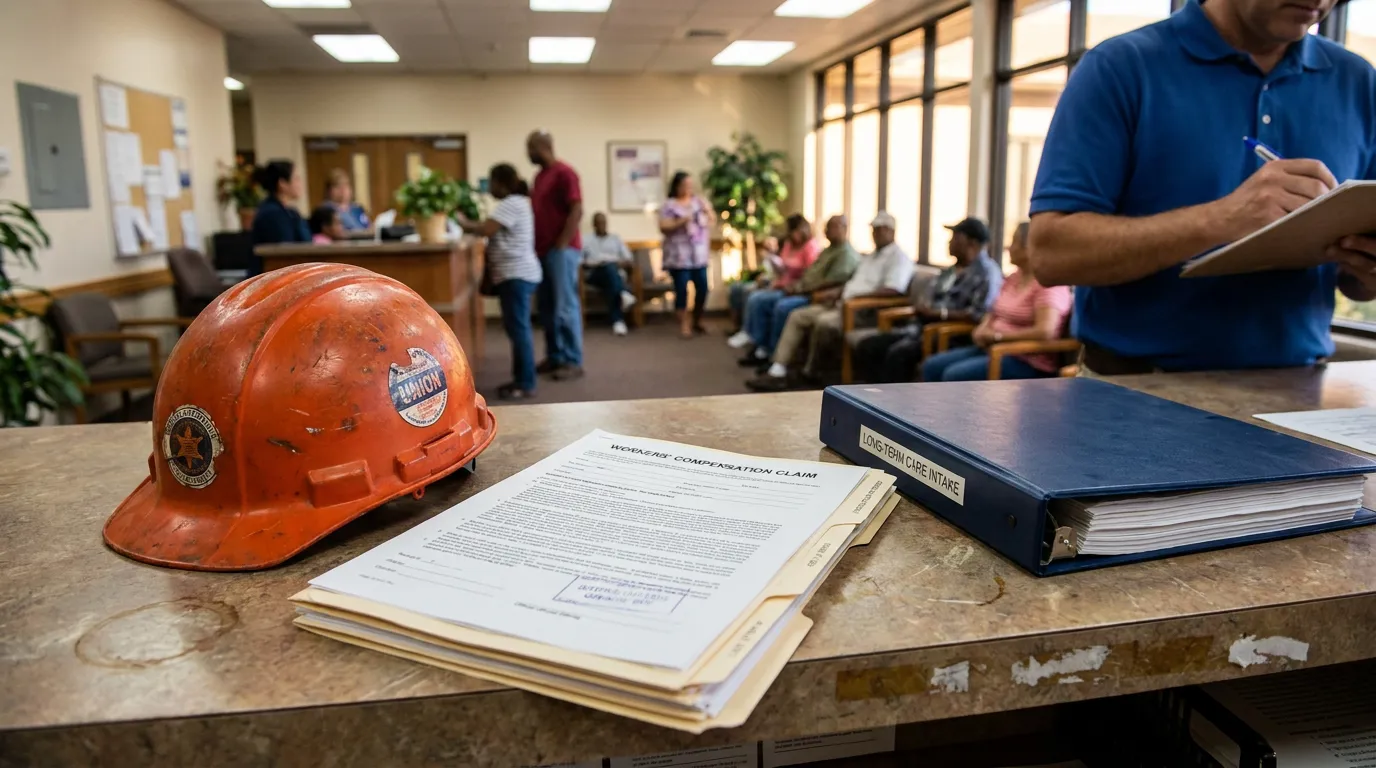
California law entitles injured workers to all medical treatment reasonably required to cure or relieve the effects of a job injury. The workers’ compensation system guarantees prompt, automatic benefits, making the difference between financial ruin and stability for families navigating serious brain injuries.
The scope of that treatment obligation is broad and defined by statute. Under California Labor Code § 4600(a), medical, surgical, and hospital treatment, including nursing, medicines, supplies, and apparatus reasonably required to cure or relieve the worker, must be provided by the employer. For TBI victims, this encompasses neurological care, cognitive therapy, rehabilitation, and long-term hospital treatment. Review the California Labor Code to see how these obligations are structured. If an employer refuses to provide this care, it may become liable for reasonable expenses the employee incurs independently.
💡 Pro Tip: Keep a detailed personal log of every symptom, appointment, and treatment recommendation. Thorough documentation is often the difference between an approved and a denied treatment request.
What a Head Injury at Work Workers Comp California Claim Actually Covers
A head injury at work workers comp California claim covers far more than a single doctor’s visit. California guarantees all reasonable and necessary medical care to cure or relieve injury effects, including medicines, hospital costs, lab tests, and x-rays. For traumatic brain injury claims, treatment often stretches across specialties and years.
One of the most reassuring aspects is the absence of out-of-pocket cost sharing. In California workers’ compensation, there are no deductibles or co-payments, all medical costs are paid directly by the claims administrator. This protects families from staggering expenses that accompany long-term injury benefits for brain trauma. Our discussion of the high cost of a brain injury explores the financial realities many families face.
TBI cases frequently involve secondary complications requiring coverage. Brain injuries often lead to cognitive impairment, mood disorders, or behavioral changes. Under California Insurance Code § 10123.15, a group disability policy covering brain disorders must also offer coverage for certain serious biologically based mental disorders under the same terms, which matters for claimants needing integrated brain and psychiatric treatment.
Who Actually Pays: Insurers, Self-Insured Employers, and State Funds
The payer behind your benefits depends on how your employer structures its workers’ compensation program. In many cases, a private insurance carrier acting as claims administrator pays the bills. In others, particularly with public employers, the program may be self-insured, meaning benefit costs are paid directly by the employer.
California also maintains a dedicated safety net for workers with prior serious impairments. Under California Labor Code § 62.5(c)(1), the Subsequent Injuries Benefits Trust Fund is a special trust account for workers who suffered a serious injury and have previous serious permanent disabilities or physical impairments. For San Bernardino TBI victims with pre-existing head injuries or neurological conditions, this fund may serve as an additional or alternative source of long-term benefits.
| Possible Payer | When It Applies |
|---|---|
| Private insurance carrier | Most private employers carry a policy; the carrier’s claims administrator pays |
| Self-insured employer | Larger or public employers may fund and administer benefits directly |
| Subsequent Injuries Benefits Trust Fund | Serious injury combined with a prior serious permanent disability |
💡 Pro Tip: Ask early who the claims administrator is and whether your employer is self-insured. Knowing who controls the money helps you anticipate how disputes will be handled.
Choosing Your Doctors and Securing the Right Care
Once you report a workplace head injury, your employer must arrange an initial evaluation and begin treatment without delay. Under California Labor Code § 4616.3, if the injured employee notifies the employer or files a claim, the employer must arrange an initial medical evaluation and begin treatment as required by Section 4600. This statute also allows workers to dispute a treating physician’s plan by seeking a second and even third opinion within the employer’s Medical Provider Network.
Physician selection is tied to genuine qualifications, critical for brain injury patients. The selection of a treating physician must be based on the physician’s specialty or recognized ability in treating the particular condition. For traumatic brain injury claims, workers may be entitled to see a neurologist or physician with real experience treating brain trauma.
- Report the injury promptly to preserve your right to prompt treatment and benefits.
- Request a provider with relevant experience in treating brain injuries within the network.
- Keep copies of every request for treatment and every response you receive.
When the Insurer Says No: Disputes, Reviews, and Appeals
Even accepted claims can require a hearing when an insurer refuses to authorize needed treatment. This is directly relevant when insurers dispute expensive long-term TBI treatment, and it is often where experienced legal advocacy becomes essential.
When treatment is denied through utilization review on medical necessity grounds, Independent Medical Review is the designated path to challenge that decision, though IMR determinations are generally final and binding. Under California Labor Code § 139.5, IMR organizations must submit information about their directors, officers, and stockholders to the Division of Workers’ Compensation under § 139.5(d)(2); prohibitions on affiliations with insurers or medical provider networks are set out in § 139.5(d)(1) and § 139.5(d)(5); and public access to nonproprietary information filed by IMR organizations is provided under § 139.5(e), which allows any interested person to request copies from the division. California Insurance Code § 10169.2(d)(4) requires that reviewing clinicians have recent clinical experience treating the same or similar condition, hold appropriate board certification, and have no disciplinary history. These protections ensure complex neurological care is not judged by someone lacking relevant experience.
Disputes over compensability follow strict rules and deadlines. Whether an injury is covered often turns on whether it arose out of and occurred in the course of employment. To request a hearing before a WCAB judge, a worker files a Declaration of Readiness to Proceed after filing an Application for Adjudication of Claim. Under California Labor Code § 5903, workers generally have only 20 days from service of a final decision to file a petition for reconsideration, and courts interpret this deadline strictly. A helpful overview of appealing a comp decision can give context.
💡 Pro Tip: Calendar every deadline the moment you receive a decision. Missing a 20-day appeal window can permanently limit your options, and extensions apply only in limited circumstances.
Protecting Long-Term Benefits as Recovery Continues
TBI recovery is often prolonged, and California law protects your right to ongoing evaluation before benefits are finalized. Under California Labor Code § 4061(a), with the last payment of temporary disability, the employer must notify the employee about permanent disability indemnity. When the amount cannot yet be determined because the condition is not permanent and stationary, the employer must monitor the medical condition until it stabilizes and determine future medical care needs. This matters enormously for brain injury patients whose conditions evolve unpredictably.
Guidance from an experienced advocate helps you avoid costly missteps. Because outcomes depend on specific facts, working with a knowledgeable San Bernardino workers comp attorney can help you document your injury, challenge improper denials, and preserve access to long-term care. A head injury at work workers comp California matter involving permanent impairment is not a routine claim and deserves serious, focused attention.
Frequently Asked Questions
1. Do I have to pay anything out of pocket for my TBI treatment?
Generally, no. In California workers’ compensation there are no deductibles or co-payments, all medical costs are paid directly by the claims administrator.
2. What if my employer refuses to provide the treatment my doctor recommends?
The employer may become liable for the expense you incur independently. Under Labor Code § 4600(a), if an employer refuses to reasonably provide required care, it can be held responsible for reasonable treatment costs, and medical-necessity denials can be challenged through Independent Medical Review.
3. Can I see a neurologist instead of a general doctor?
In many cases, yes. Under Labor Code § 4616.3, physician selection must be based on the doctor’s recognized ability in treating the specific condition, which for traumatic brain injury claims may support seeing a neurologist within the Medical Provider Network.
4. What happens if my brain injury has not stabilized when temporary benefits end?
Your medical condition must continue to be monitored. Under Labor Code § 4061(a), when a condition is not yet permanent and stationary, the employer must monitor it until it stabilizes before determining permanent disability rating and future medical care needs.
5. How long do I have to appeal a decision I disagree with?
The window is short. Under Labor Code § 5903, workers generally have only 20 days from service of a final decision to file a petition for reconsideration, and courts apply this deadline strictly.
Securing the Care and Stability You Deserve
When a workplace accident causes a traumatic brain injury, California law ensures that the employer or its claims administrator, and in some cases a state trust fund, pays for the medical care you need. From the broad treatment guarantees of Labor Code § 4600 to the ongoing protections of § 4061 and review safeguards under the Insurance Code, the system exists to shield injured workers from catastrophic costs. Still, insurers dispute expensive long-term care, and procedural rules are unforgiving, which is why informed, determined advocacy matters.
If you are overwhelmed by a serious workplace brain injury and unsure where to turn, do not wait to protect your rights. Contact Kampf, Schiavone & Associates today by calling (909) 885-1522 or by scheduling a consultation online, and let a dedicated team stand up for your recovery and your future.